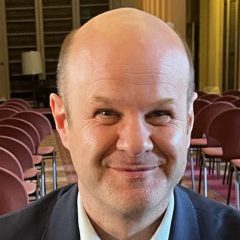
Highlight — Q&A with Zhaoyan Sun
Co‑Editor — EPL
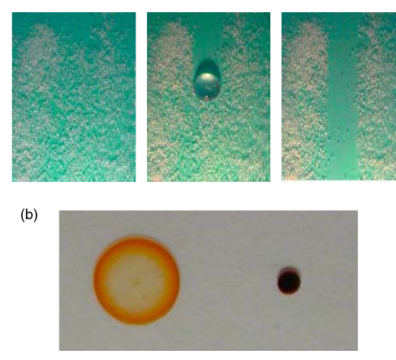
Nature is always more complicated than the models we use to describe it. Ocean waves, for example, are constantly evolving. They grow when wind transfers kinetic energy to the water’s surface. They interact with each other in highly nonlinear ways. And once the wind dies down, their internal viscosity makes them dissipate away to nothing, leaving behind a surface as flat as glass.
Co‑Editor — EPL
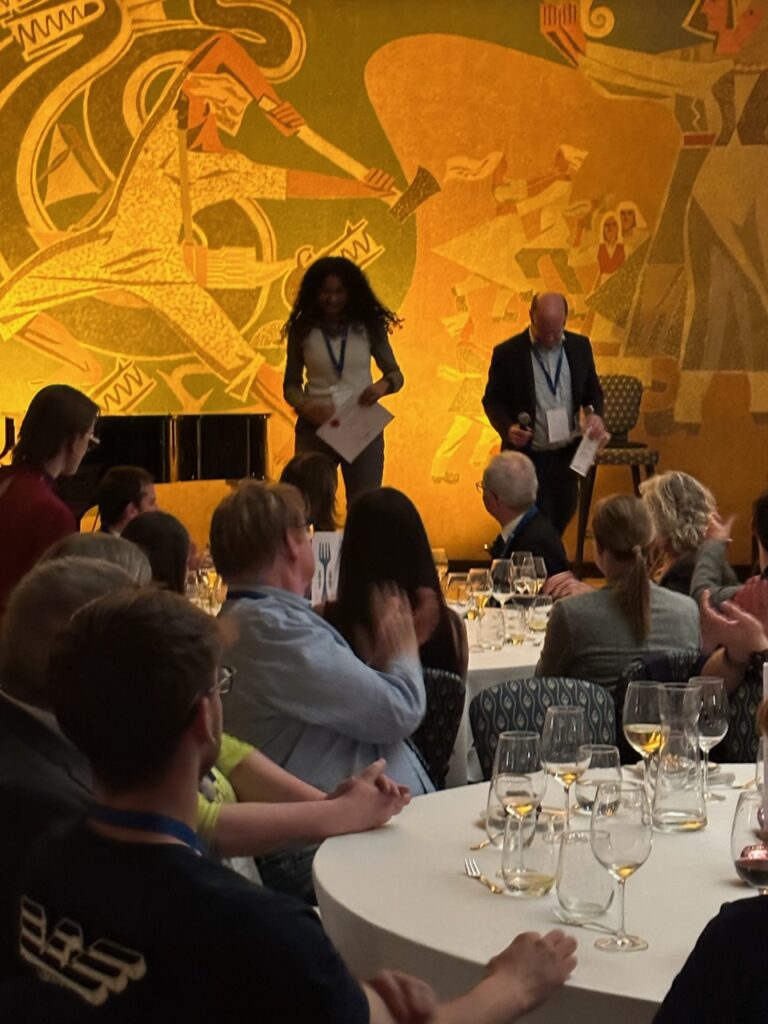
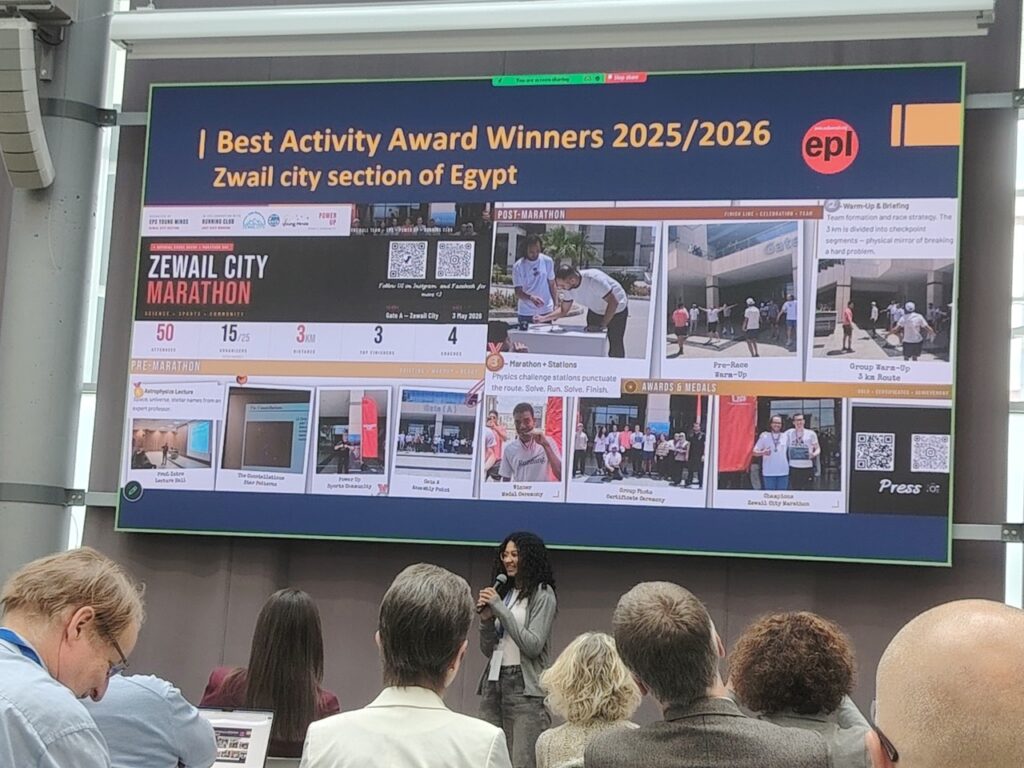
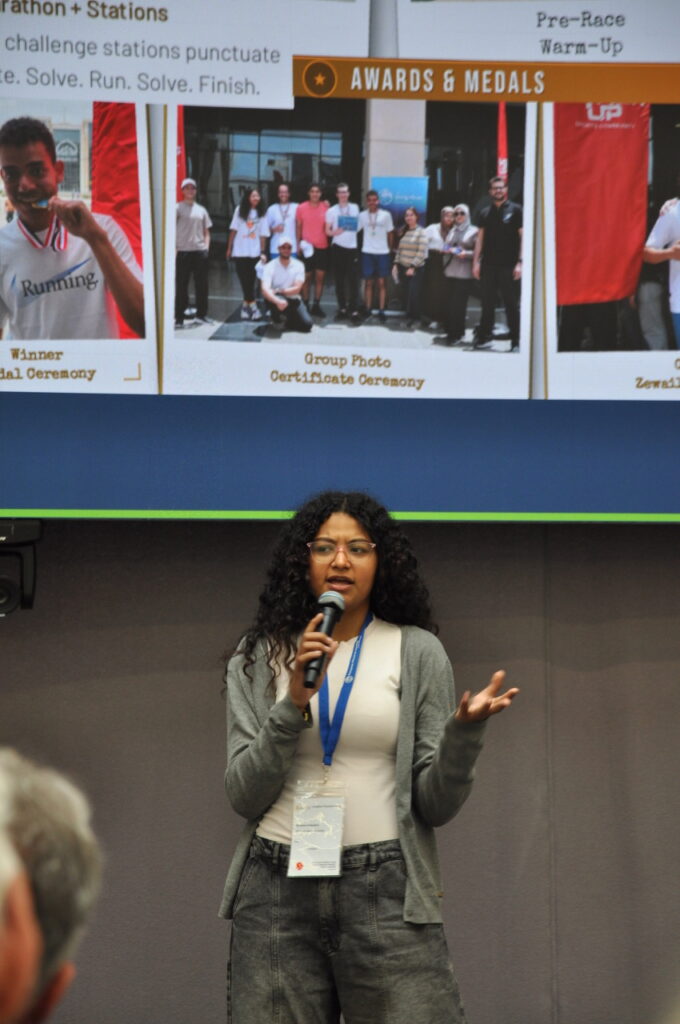
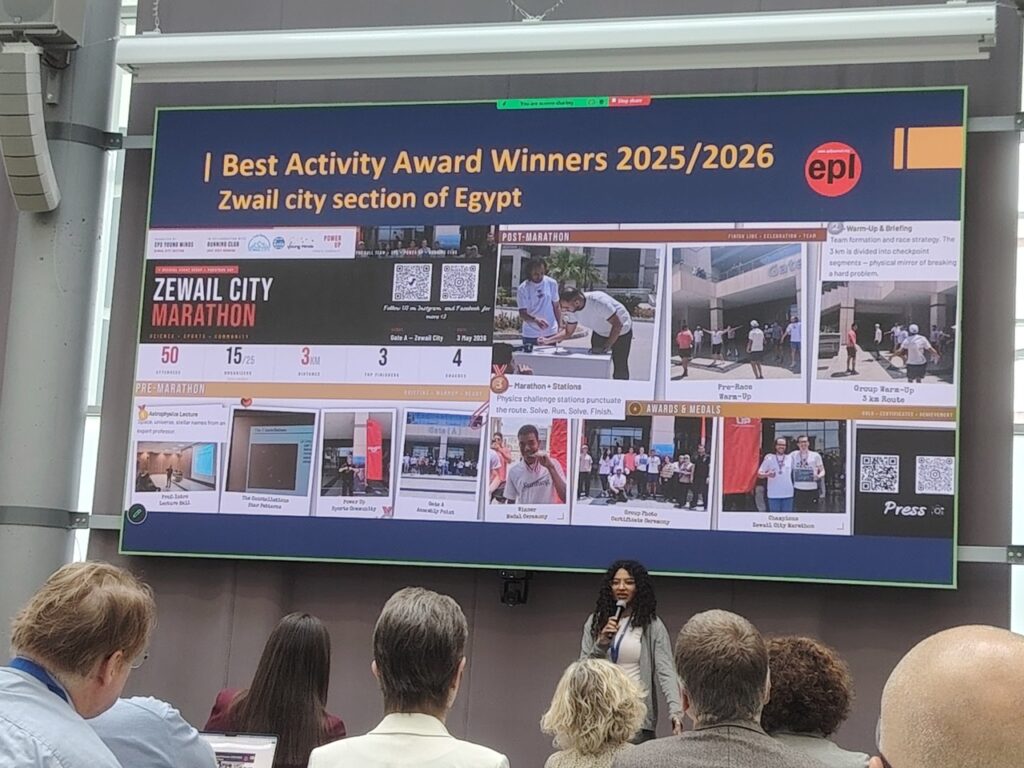
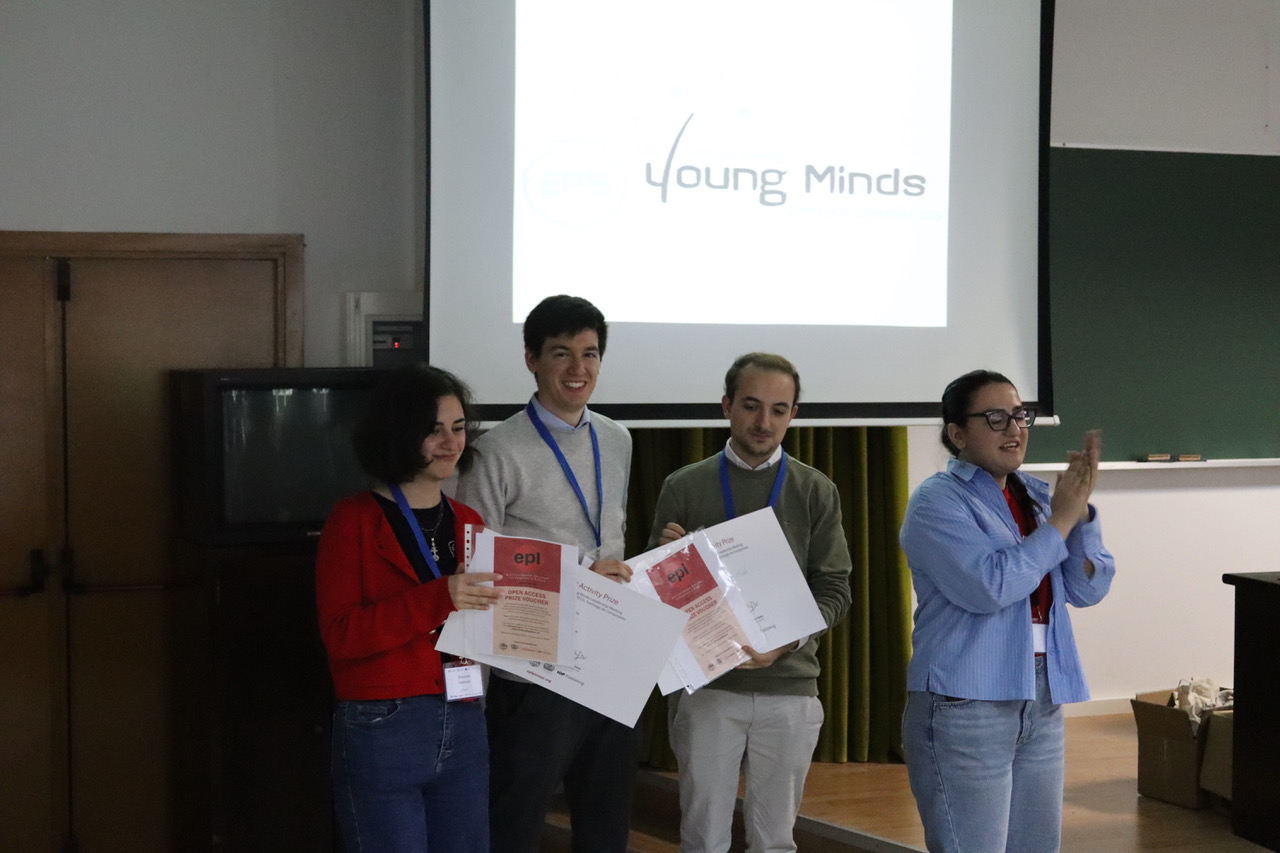
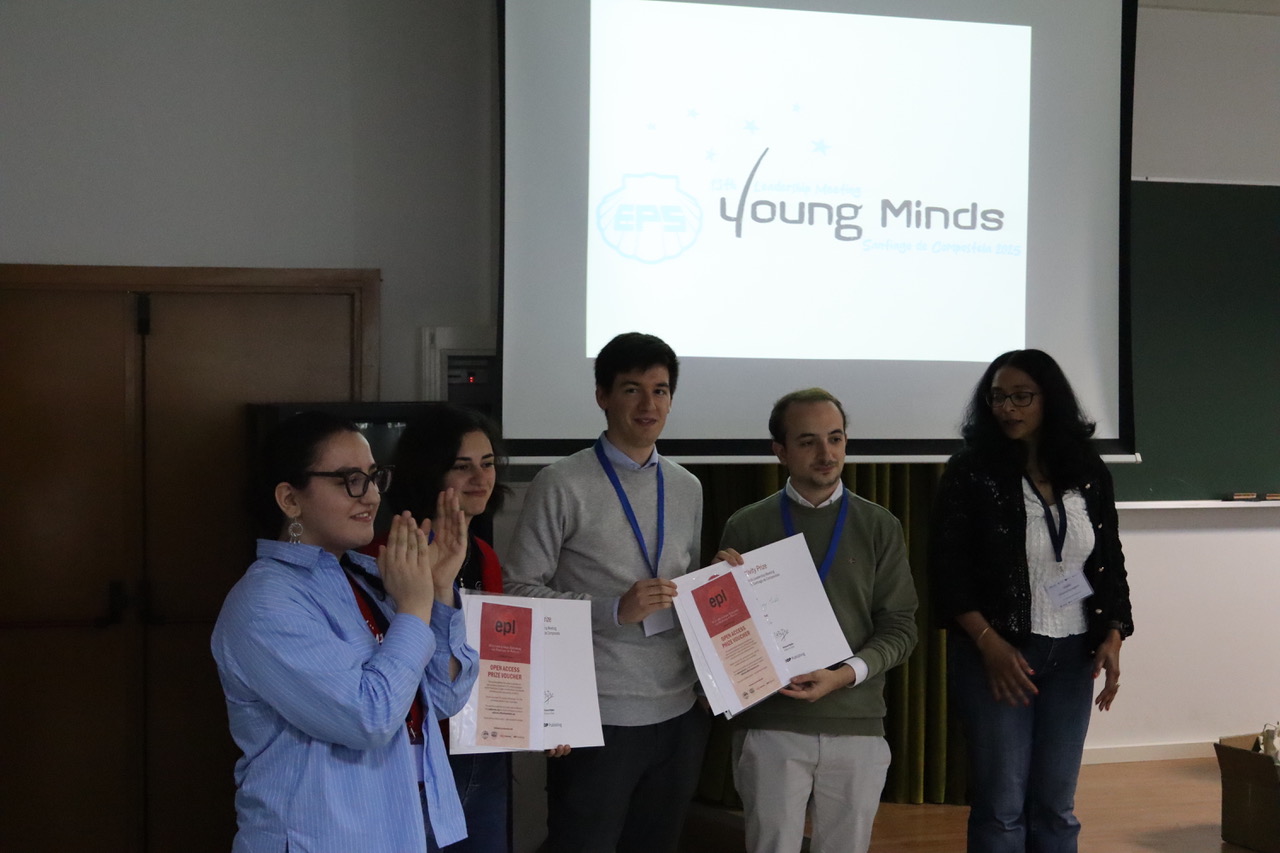
It was a pleasure for EPL to attend the 2026 edition of the EPS Young Minds Leadership Meeting, held alongside EPS Council in Vilnius, Lithuania on 15th and 16th May. In addition to introducing participants to the peer review process adopted by journals like EPL, we helped judge the award for the best activity run by a Young Minds section over the previous year. There were many exciting activities that communicated thought-provoking ideas about physics to a broad audience. The winning entry, from the Cairo Young Minds section, had participants solving physics challenges while running a (shortened) marathon, this intended to demonstrate the process of breaking complex problems down into smaller parts, as physicists are trained to do. Congratulations to the winners!


Richard Blythe, EPL Editor-in-Chief
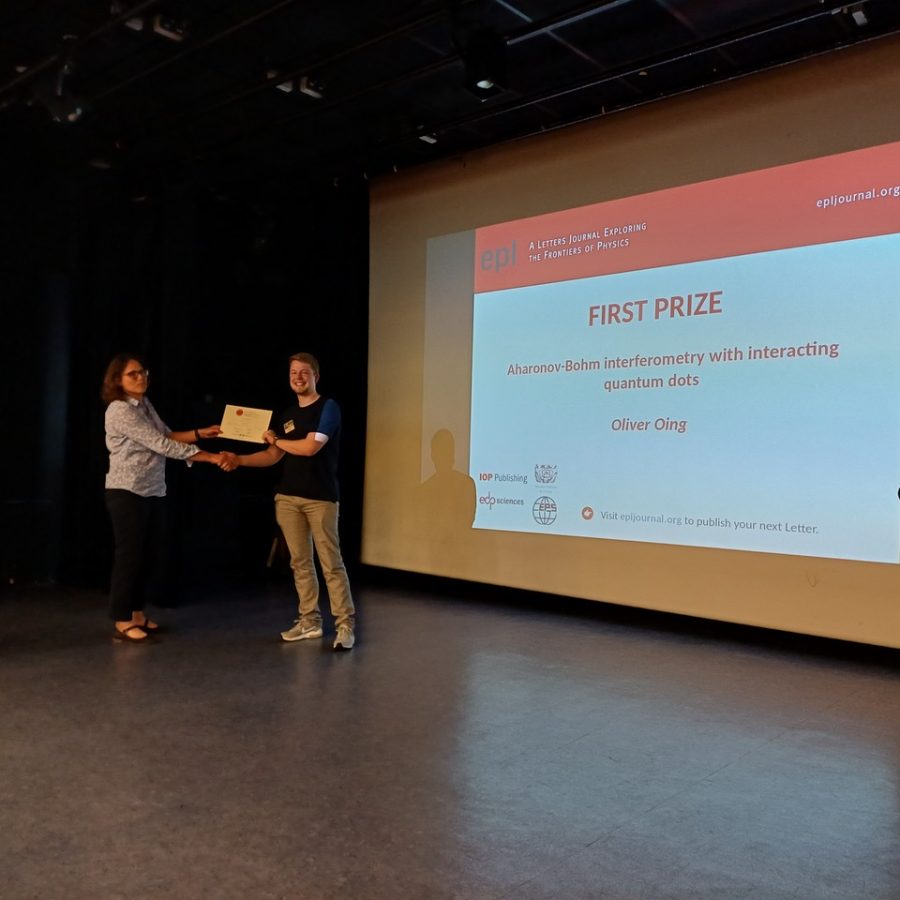
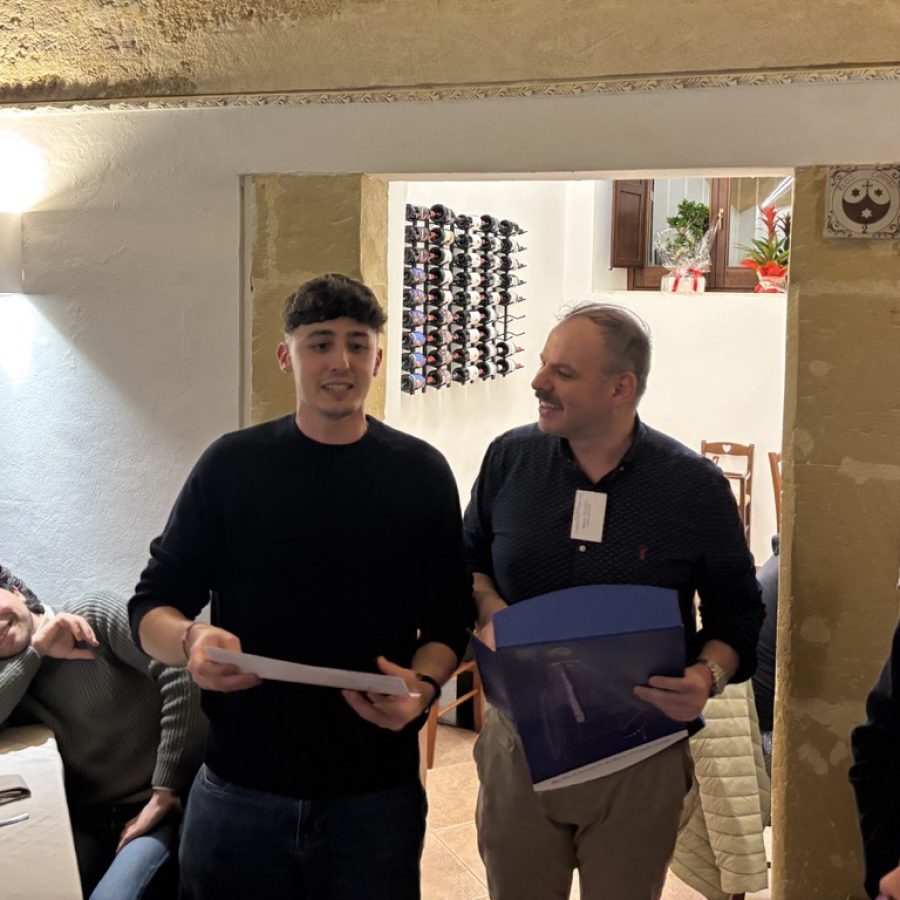
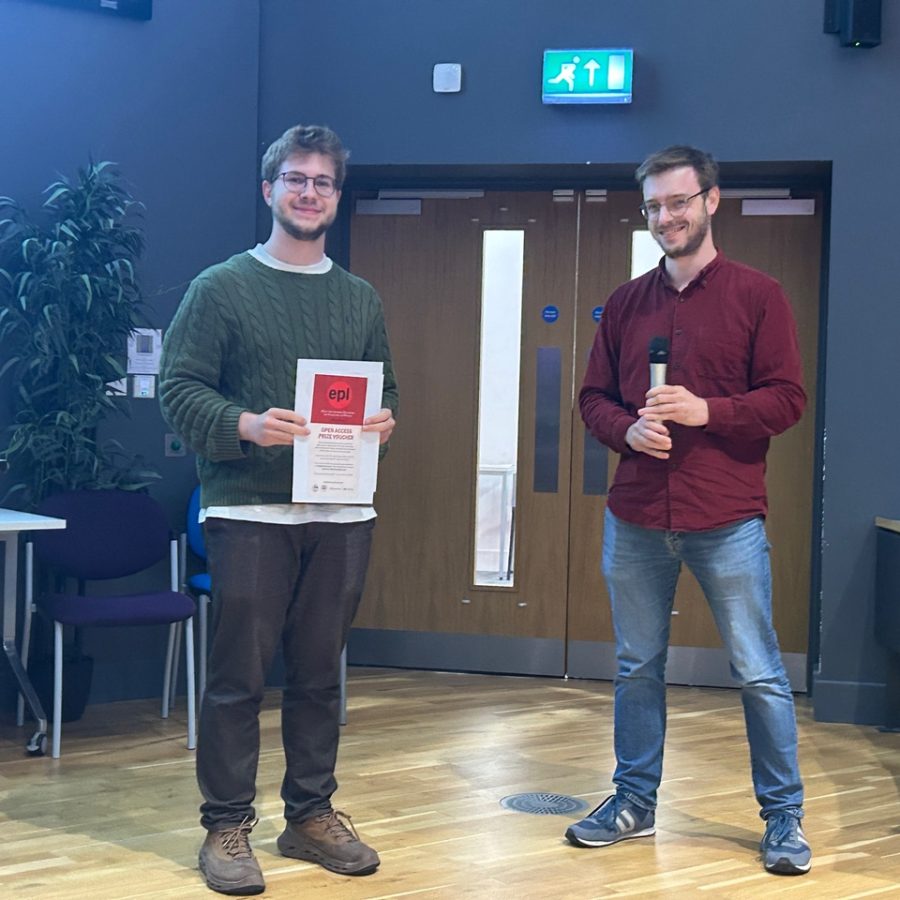
🥇 1st Prize – Oliver Oing (University of Duisburg-Essen)
Aharonov-Bohm interferometry with interacting quantum dots
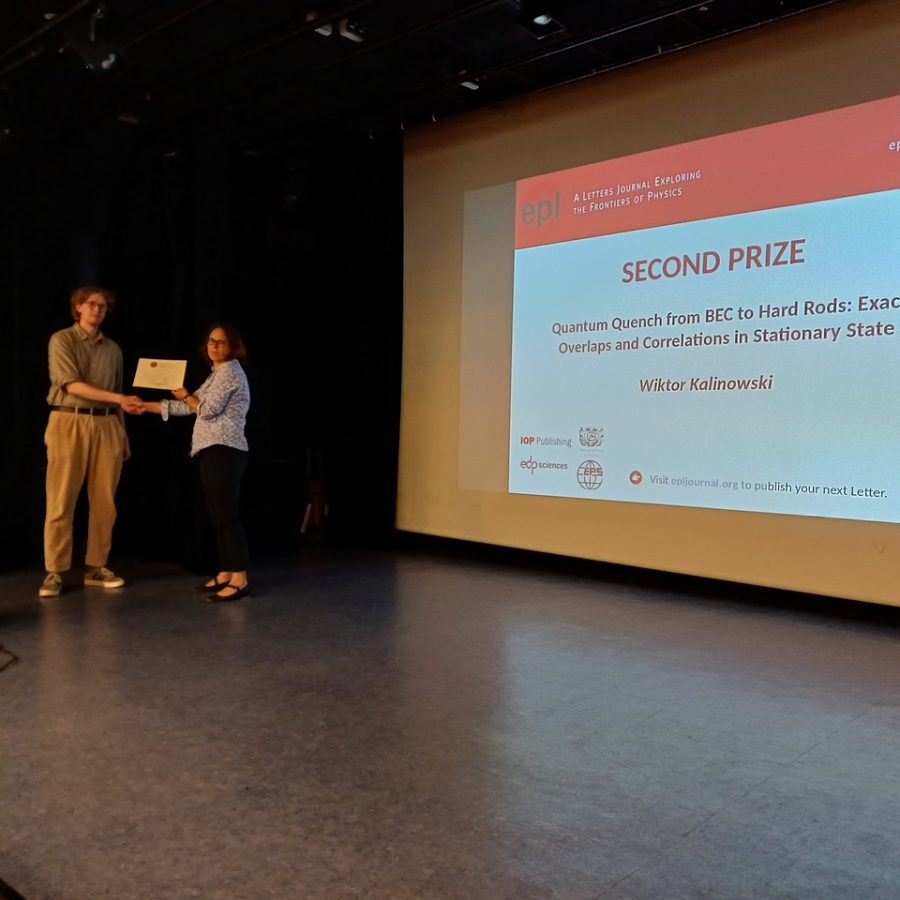
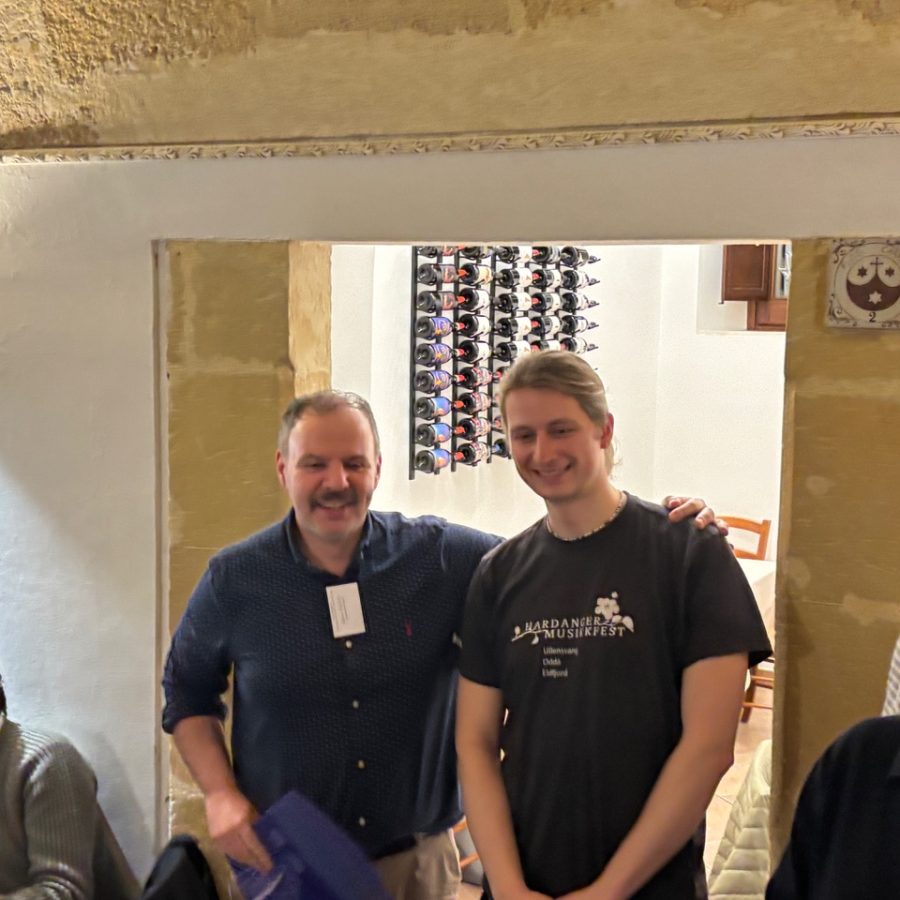
🥈 2nd Prize – Wiktor Kalinowski (St Andrews)
Quantum Quench from BEC to Hard Rods: Exact Overlaps and Correlations in Stationary State
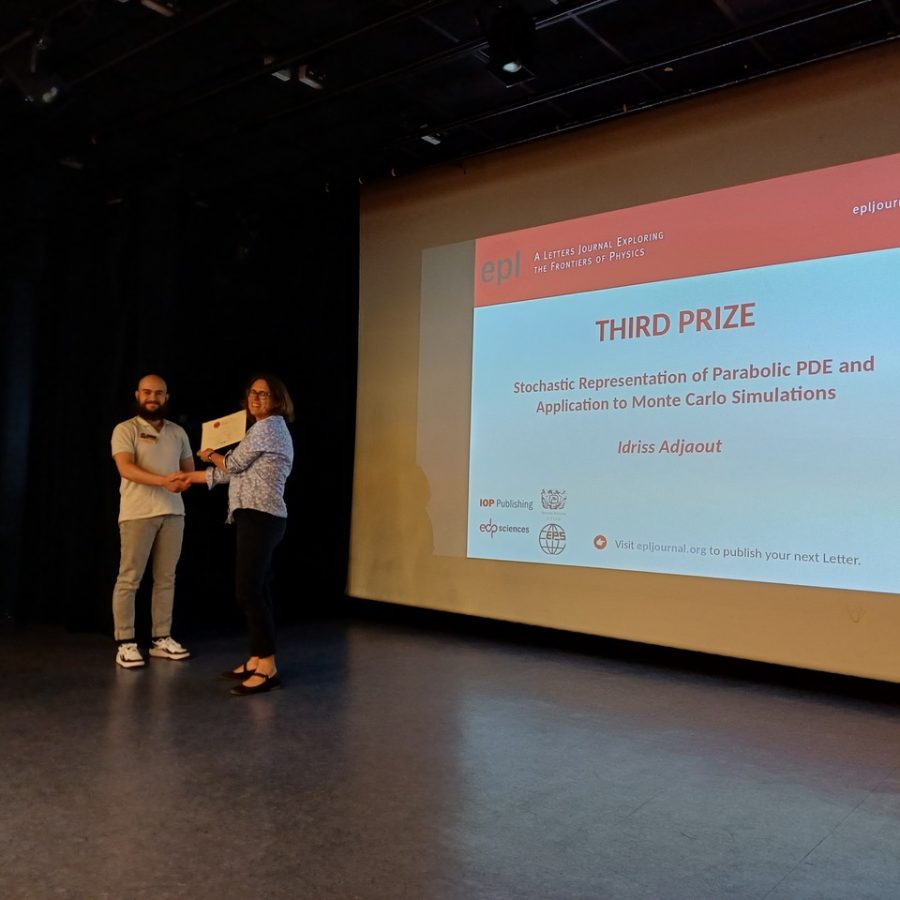
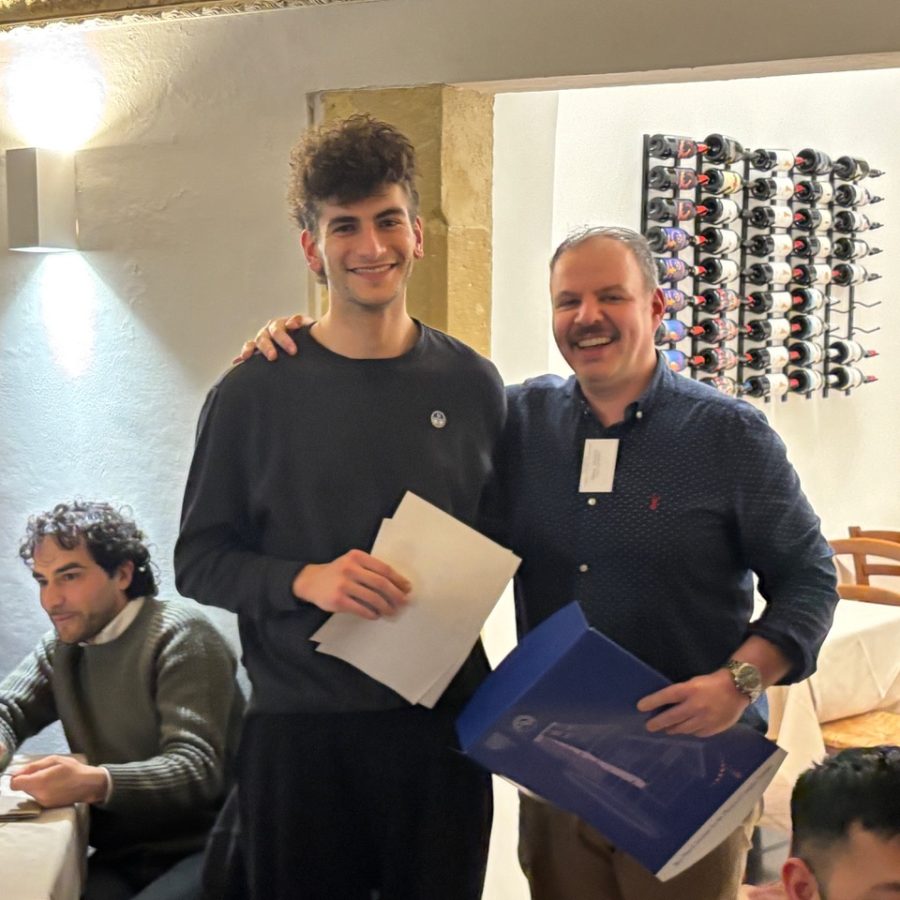
🥉 3rd Prize – Idriss Adjaout (Institut Pascal)
Stochastic Representation of Parabolic PDE and Application to Monte Carlo Simulations
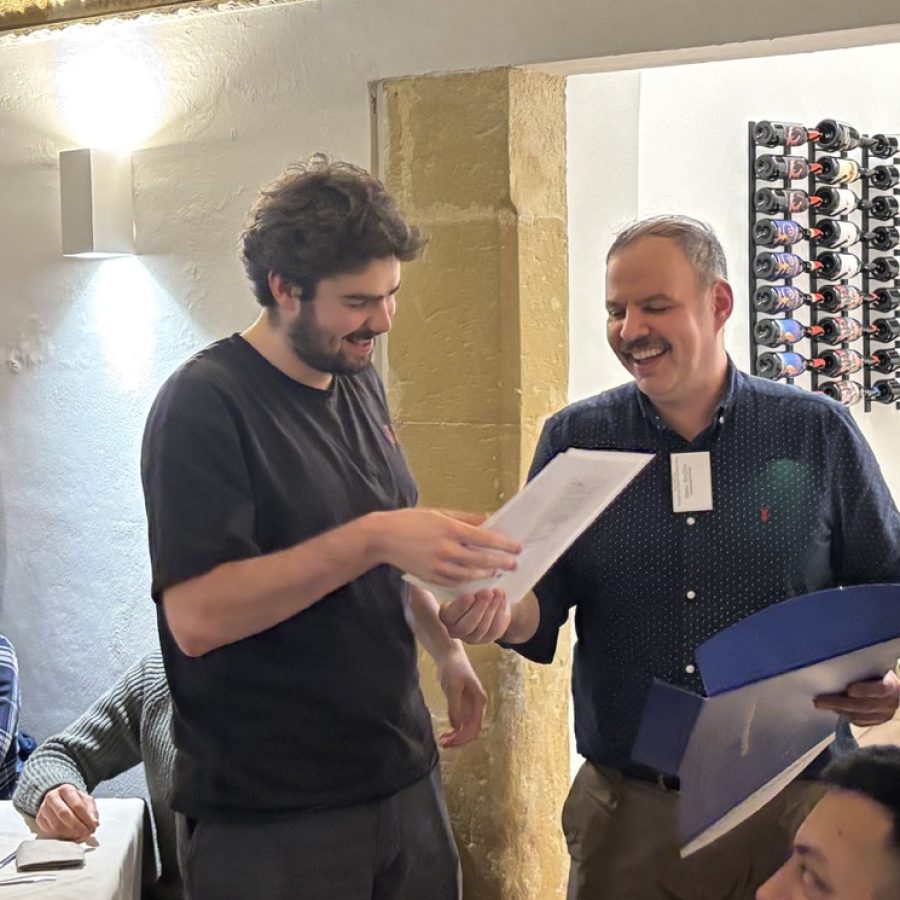
EPL sponsored poster prizes at MECO51, the 51st meeting of the Middle European Cooperation in Statistical Physics. This edition of the long-running series took place in the beautiful surroundings of the Abbey des Prémontrés on the banks of the river Moselle in Pont-à-Mousson (near Nancy, France) and brought together about 60 scientists working in the domain of statistical mechanics and condensed matter physics. After lively discussions with early career researchers in multiple poster sessions, prizes were awarded for the three best contributions and presented in the closing ceremony by EPL Deputy Editor Rosemary Harris.
To mark this milestone, we are revisiting highlights from the decade 2010-2019.
More Highlights will follow throughout the anniversary year.
Co‑Editor — EPL
Driving the growth of EPL, while maintaining high quality, reputation, and impact, at the heart of new agreement.
Oxford University Press (OUP) has announced a major new agreement with the EPL Association to publish their prestigious peer-reviewed journal EPL from 1 January 2027. The journal will join OUP’s portfolio of more than 500 titles, three-quarters of which are published on behalf of learned and professional societies.
EPL is centered around the publication of original, high-quality Letters covering contemporary research topics in physics, including theory, experiment and computation. It provides authors with fast, fair and constructive peer review thanks to an Editorial Board of active scientists who are experts in their respective fields.
Speaking about the new agreement, Jennifer Paxton-Boyd, Publishing Director at OUP, said: “We are delighted to embark on a new collaboration with the EPL Association to publish their journal of essential physics research. The close alignment of the Association and OUP missions will allow us to collaboratively grow the impact, sustainability, and innovation of EPL.”
Chair of the EPL Association, Professor Petra Rudolf, added: “This partnership will build on the robust foundations that underpin EPL today. Oxford University Press shares our commitment to the standards and integrity that have long defined EPL, and we look forward to the next phase of the journal’s development to support the global physics community.”
OUP publishes over 500 academic and research journals covering a broad range of subject areas, three-quarters of which are published in collaboration with learned societies and other international organizations. OUP has been publishing journals for more than a century and, as the world’s largest university press, has more than 500 years of publishing expertise.
Europhysics Letters was founded in 1986 by the European Physical Society (EPS), the Société Française de Physique (SFP) and its subsidiary EDP Sciences, the Società Italiana di Fisica (SIF) and the Institute of Physics (IOP), with 13 European Physical Societies to form EPLA. The new journal incorporated Lettere al Nuovo Cimento and Journal de Physique Lettres and, since 2006, EPL has been published by IOPP, EPS, EDP Sciences and SIF. EPL will now be published by OUP, with the EPS continuing to provide editorial office support.
Co‑Editor — EPL
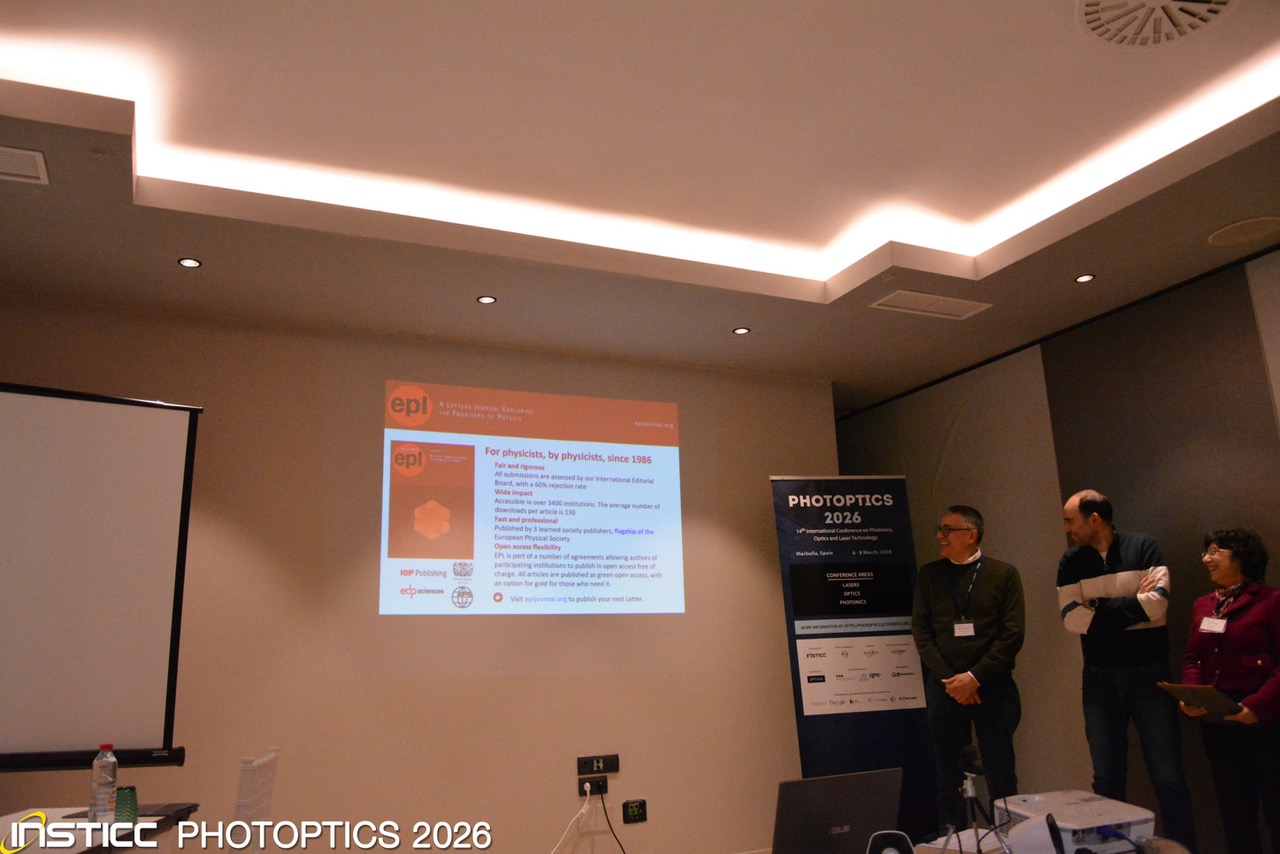
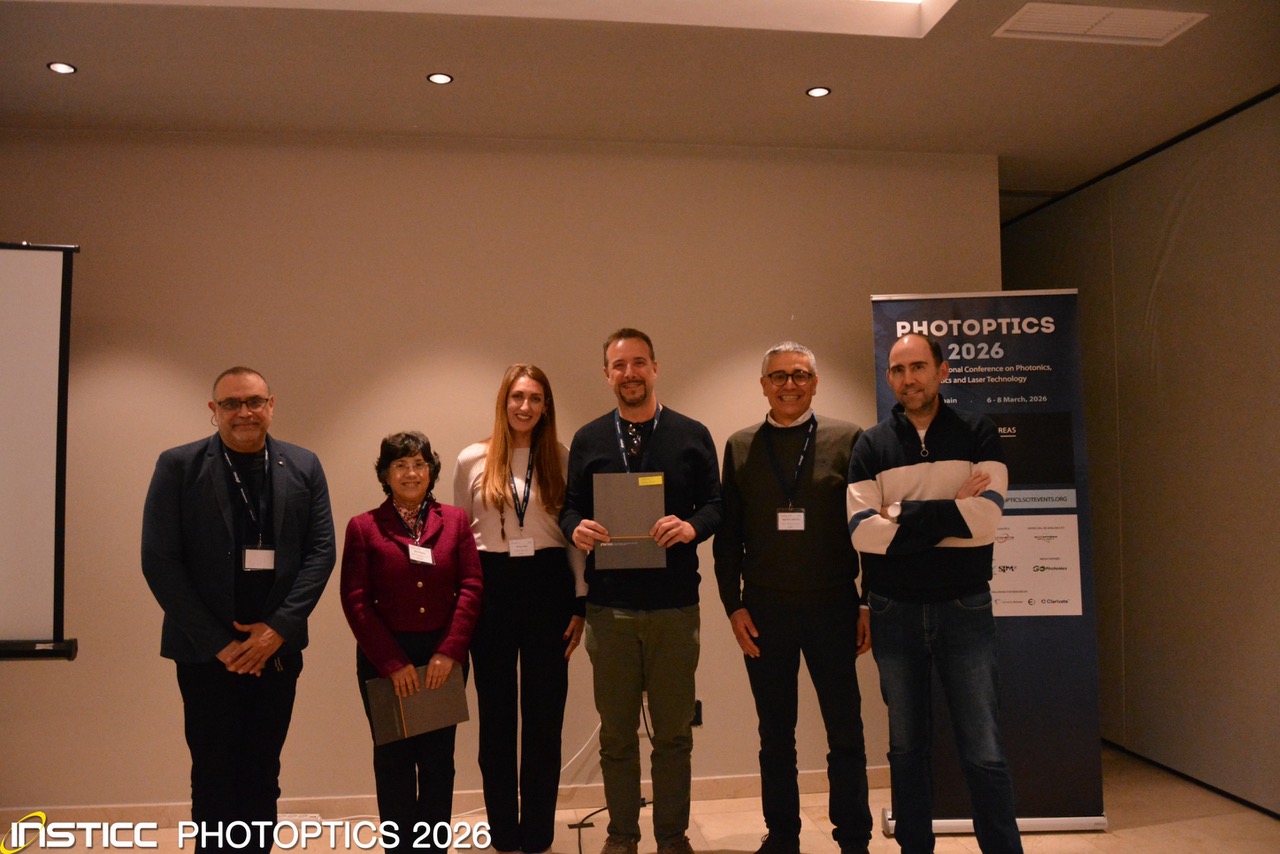
EPL supported the Conference PHOTOPTICS 2026 (14th International Conference on Photonics, Optics and Laser Technology) held in Marbella (Spain) on 06-08 March 2026. With the presence of EPL Co-Editor, Professor Maria Raposo.
To mark this milestone, we are revisiting highlights from the decade 2010-2019.
More Highlights will follow throughout the anniversary year.
Co‑Editor — EPL
Co‑Editor — EPL
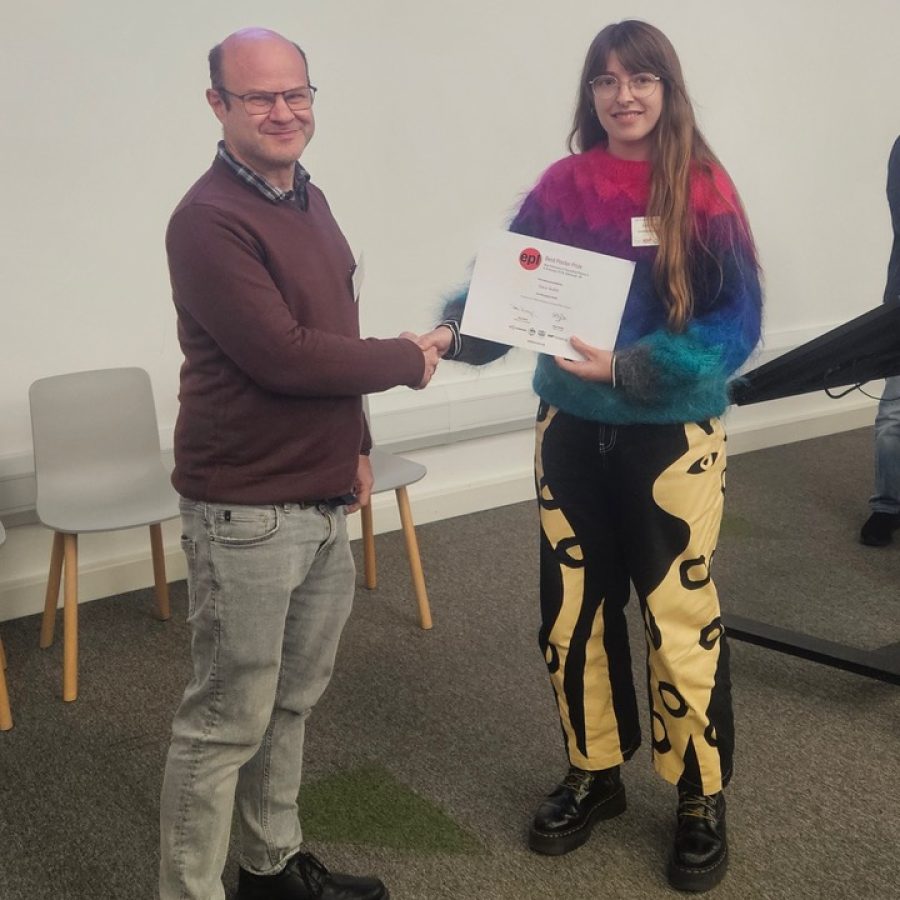
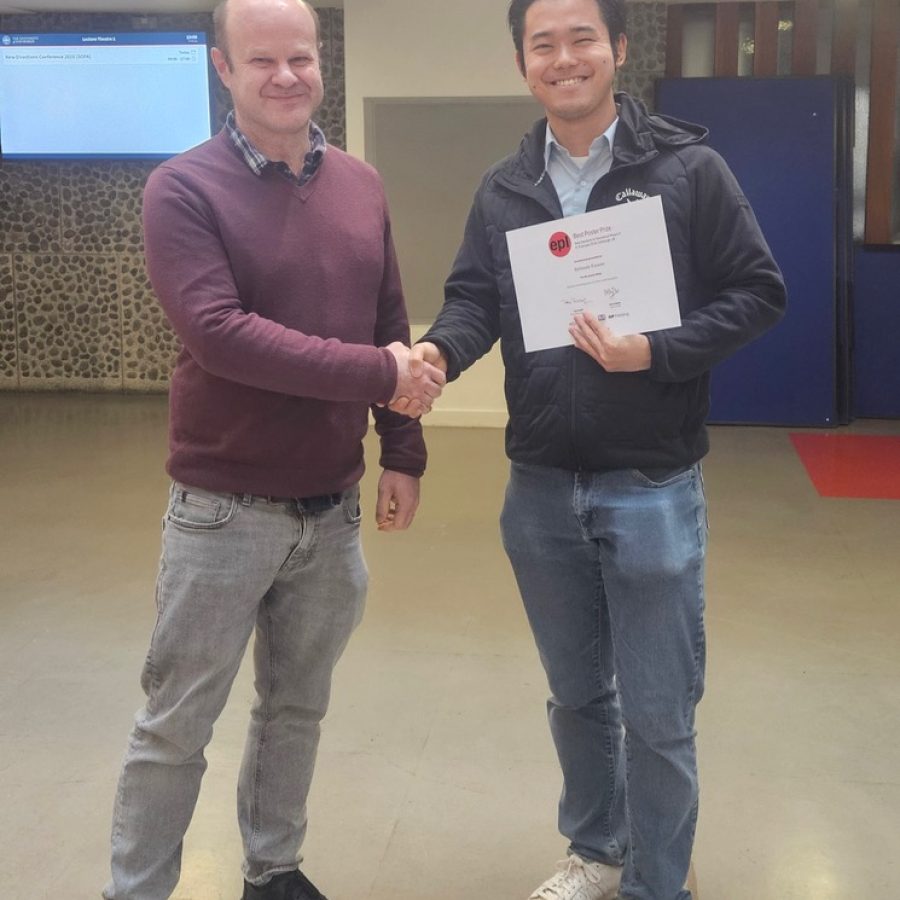
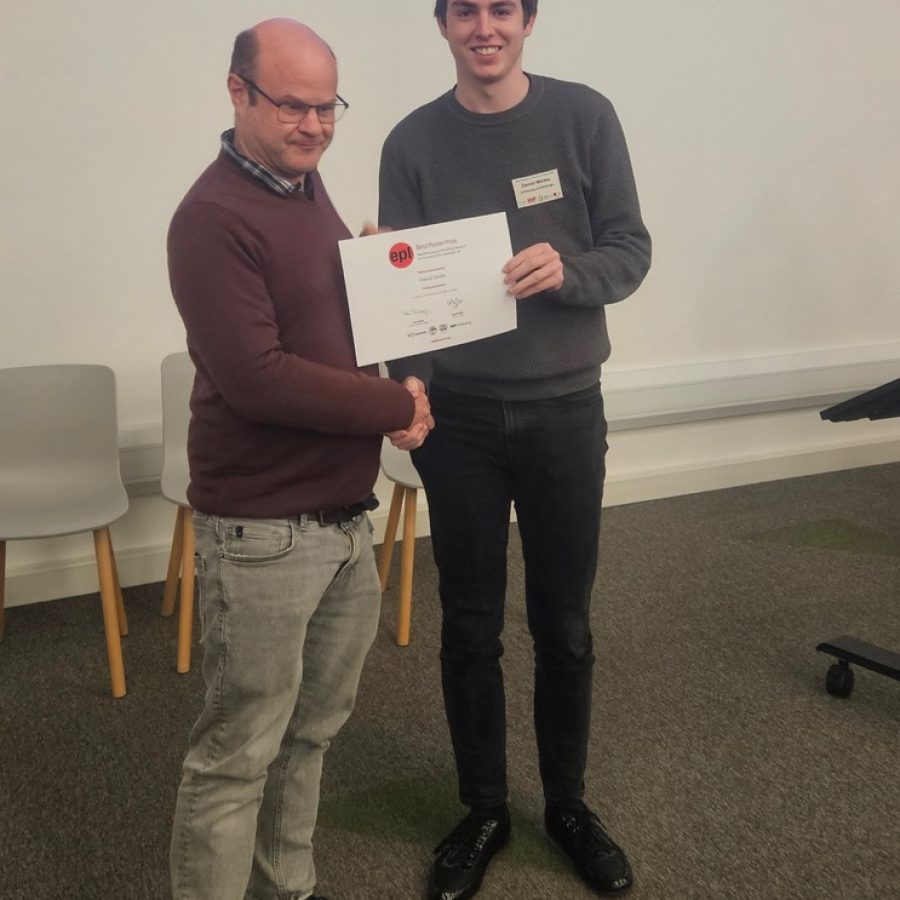
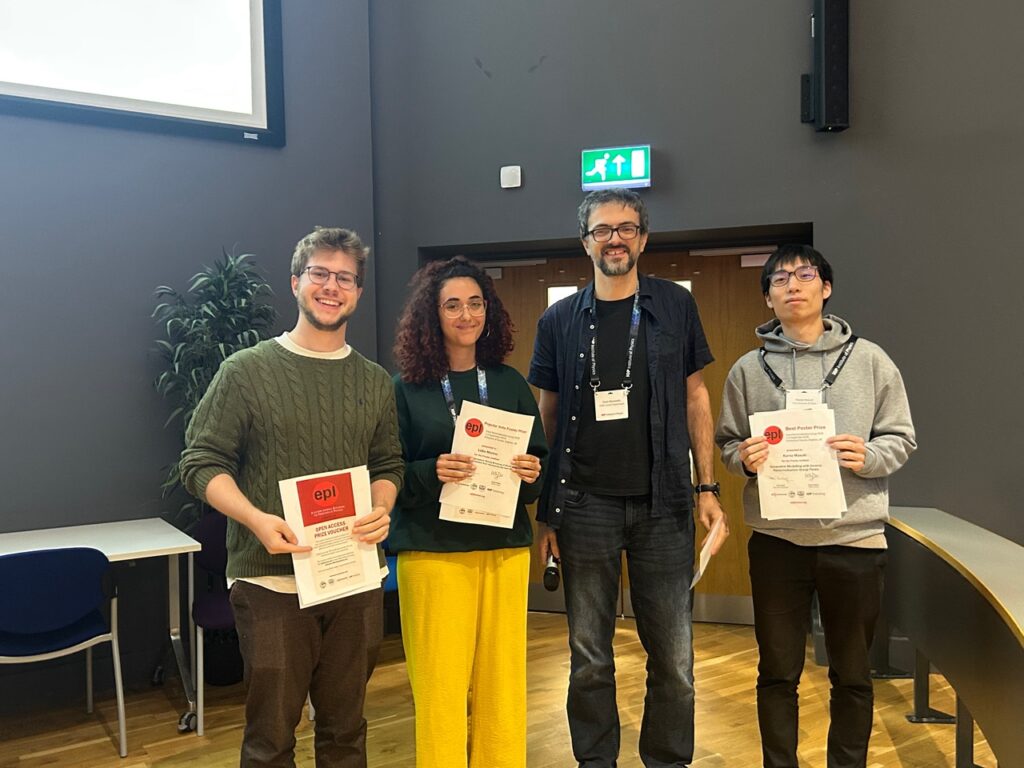
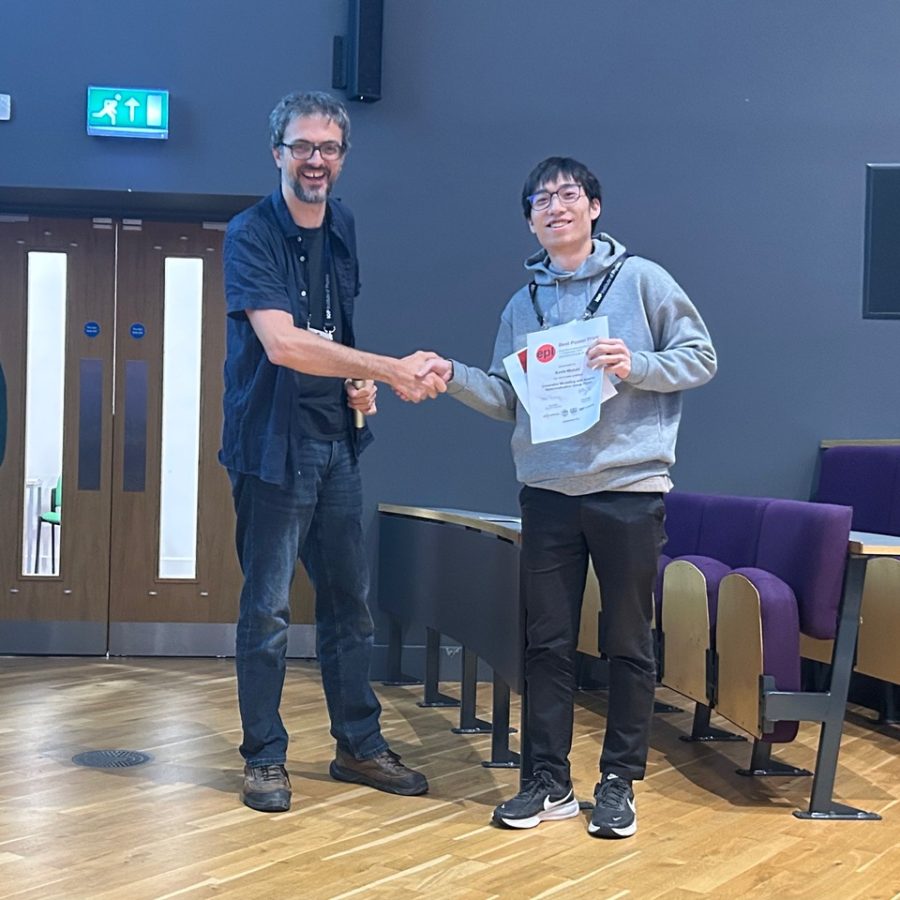
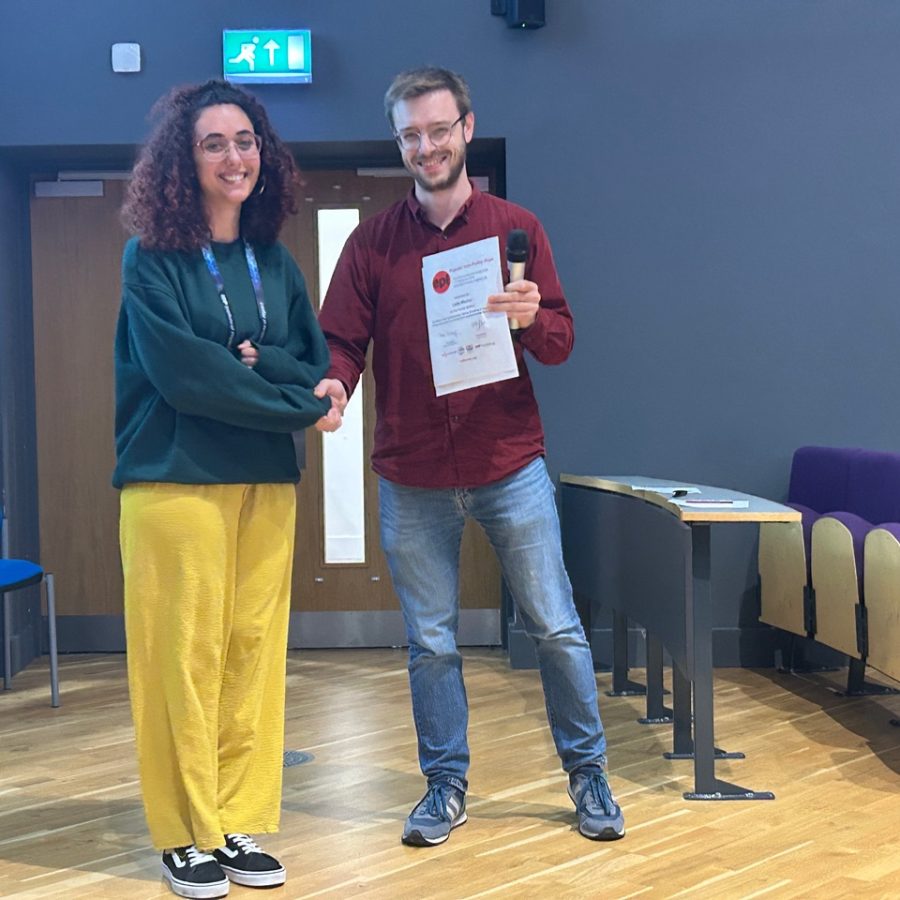
🥇 1st Prize – Lucy Arditi (Edinburgh)
🥈 2nd Prize – Reinosuke Kusano (St Andrews)
🥉 3rd Prize – Daniel Meikle (Edinburgh)
We at EPL are sad to learn of the passing of our colleague Bart van Tiggelen in December 2025. Bart had a long association with the journal, serving as a Co-Editor (editorial board member) from 2012 to 2017 and then as Editor-in-Chief from 2018 until 2021.
Although I did not have the pleasure of meeting my predecessor personally, it is clear from the tributes that we have received that Bart brought a characteristic enthusiasm, commitment and deep critical thinking to all aspects of his scientific career, including these editorial roles. He was a particularly strong advocate of the values that we hold at EPL and the place that physical societies have in supporting the research community. His reflections on the ever-changing publication landscape, published in EPN in 2019 [1], are clear, insightful and remain relevant to this day. As well as addressing the rough-and-tumble of everyday life in the editor’s chair, musing on such topics as impact factor and the ever-increasing demands on peer reviewers, Bart set out a clear vision for an ecosystem that supports the highest quality and most original science, rather than more incremental contributions that might have more immediate impact.
To this end, Bart drew on the statistical analysis of his predecessor [2], which demonstrated that a journal’s impact factor is more of a reflection of a journal’s size than quality. He pointed towards the fact that both EPL and PRL have a similar percentage of ‘evergreen’ papers, that is those that remain influential for years, if not decades. He also worked hard to raise the visibility of the journal through a wide range of initiatives [3]. “It is crucial,” Bart argued, “that physical societies keep taking the lead on scientific publishing…. It is important that they work together, without internal competition, and keep insisting on scientific quality and readability of research papers as the only criteria that count.” [1]
Bart developed this theme in a later piece, contrasting the utility of scientific approaches that generate fundamentally new ideas as opposed to refinements to theories that improve agreement with experiment in ways that do not offer deep insights [4]. Here he reflects, among other things, on his experience as EPL Editor-in-Chief in accepting a manuscript against the advice of reviewers who disagreed with the conclusion but could not spot any flaws in the argument. Such an action displays great courage. Where ideas that challenge the status quo are offered in good faith and survive the sceptical scrutiny of multiple experts, the community benefits much more from an appropriately caveated publication than suppression.
Beyond EPL, Bart was a distinguished physicist. His research on wave physics was recognised through the award of several prizes, including the Paul Langevin prize in 2004. As a Research Professor at the Institute of Physics of CNRS, Bart was in charge of theoretical and numerical physics, interdisciplinarity, training, and scientific editing. He was a strong advocate for the free dissemination of scientific information, leading many masterclasses on open science and peer reviewing in France. He was a deeply engaged member of the French Physical Society and a devoted administrator of EDP Sciences, whose strong personal commitment to open science and to European journals such as EPL left a lasting mark, as did his respect for the work of learned society publishers.
Reflecting on Bart’s stewardship of EPL, former EPS President Christophe Rossel commented that he had the pleasure to work and interact with Bart many times. In addition to being an enthusiastic scientist and linked to EPL, Bart is remembered as a very caring, joyful and friendly person, with Rossel commenting, “He was always ready for a good word and took the time to share his personal views. We will miss him as an excellent colleague and a good friend.”
We offer our condolences to Bart’s family, colleagues and friends. At EPL we remain committed to upholding the values of quality and integrity that he so passionately advocated.
Richard A. Blythe, EPL Editor-in-Chief
With thanks to Giorgio Benedek, Agnès Henri and Christophe Rossel for sharing their memories of Bart with me.
[1] B. van Tiggelen (2019) EPL in an eventful environment. EPN 50/3:20
[2] G. Benedek, G. Watt and F. Burr (2017) EPS Activity report 2016. pp18-21
[3] B. van Tiggelen, G. Benedek, I. Trotter, F. Burr (2018) EPS Activity report 2017. pp 15-16
[4] B. van Tiggelen (2024) My experiment agrees with the theory! EPN 55/1:29
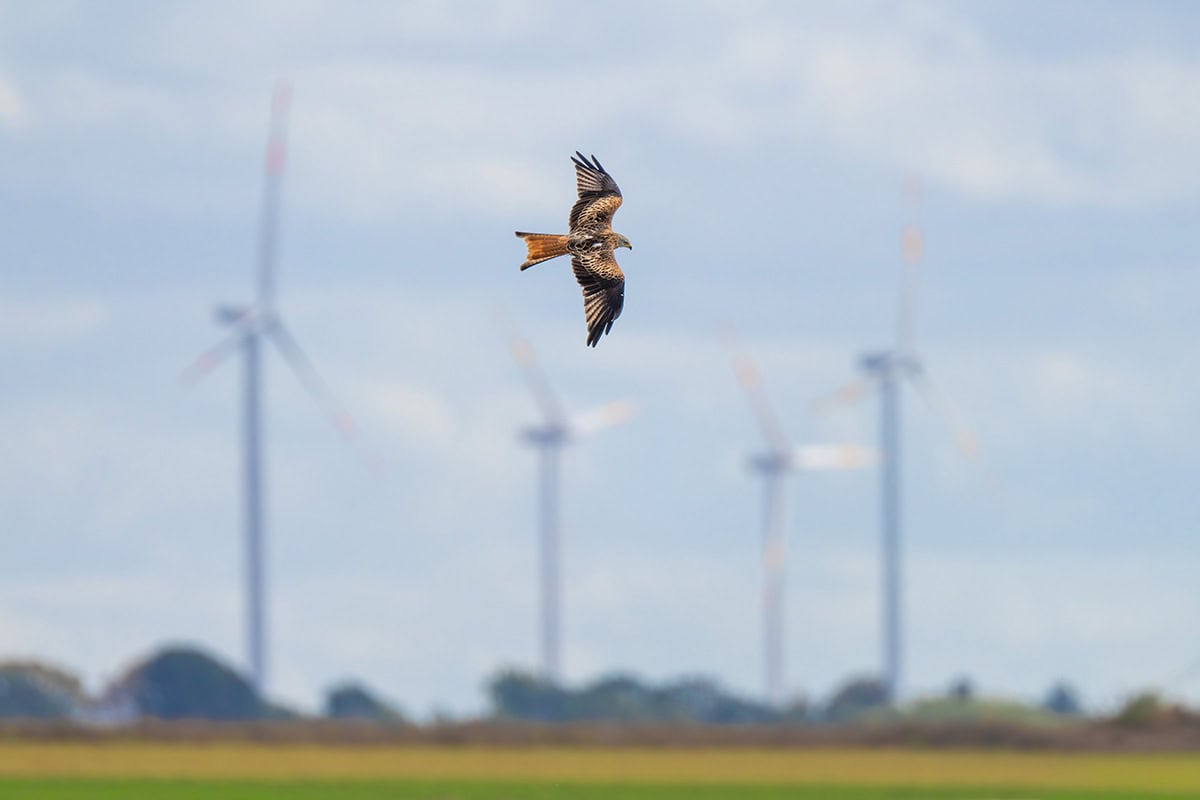
When people think of wind energy, they usually think of windmill-like turbines dotted among hills or lined up on offshore platforms. But there is also another kind of wind energy, one that replaces stationary, earthbound generators with tethered kites that harvest energy as they soar through the sky.
Co‑Editor — EPL
EPL has a forty-year track record of publishing research letters at the frontiers of physics. It is a unique enterprise, owned by national physical societies across Europe and its umbrella organisation, the European Physical Society. Its entire editorial board are practising research physicists, all abreast of the latest developments in their field, and with a keen eye for original and stimulating contributions. The journal’s primary mission is to serve the physics research community, prioritising rigour, quality and fairness.
In pursuing these goals, we have, over the years, established a network of physics research and publishing expertise across Europe and beyond. We invite you to join us through this platform, which will keep you updated with the latest developments and also give you a chance to interact with the journal’s editors and staff more informally than the standard publication process allows. We look forward to lively conversations on physics research, publishing trends or any other topic of interest across our community. Please share with anyone you think might be interested.
Professor Richard A. Blythe
EPL Editor-in-Chief
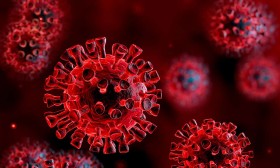
In a new Physics World feature, EPL author Bhavin S. Khatri explains how a straightforward mathematical model uncovers the conditions for rapid eradication, highlighting infection thresholds, immunity regimes, and why early global action might have ended COVID-19 by 2021.
Explore the full Physics World feature and read the original EPL article for deeper insights into the science behind pandemic extinction.
Co‑Editor — EPL
Co‑Editor — EPL
My research focuses on quantum transport measurements and the development of experimental techniques at ultra-low temperatures. I became interested in this field during my undergraduate studies, when my advisor offered me the opportunity to participate in low temperature experiments, which I found particularly fascinating.
I believe that unexpected discoveries might hold greater interests.
One influential paper was “Specific heat and phonon dispersion of liquid 4He” by Dennis S. Greywall (PRB 18, 2127, (1978)). It demonstrated how an experiment can be properly designed and carried out.
For experimental manuscripts, the most essential quality is data validity, while for theoretical ones, it is creativity..
I wish I knew the perfect answer.
Outside of physics, I enjoy reading and sleeping, and I also used to play soccer.
Co‑Editor — EPL
Electromagnetic wave propagation in complex media, Anderson localization, photonic crystals, and magnetooptics. My research interests have developed during my doctoral studies, postdoctoral training, and through collaborative research projects.
Magnetic metamaterials with zero net magnetization. These materials do not produce demagnetizing or stray fields, which can greatly improve their performance in nonreciprocal electromagnetic devices and applications with stringent requirements regarding the magnetic field environment.
“Localization of light in a disordered medium” published in 1997 by Diederik Wiersma and colleagues. It resonated within the mesoscopic physics and statistical optics communities, igniting further exploration of Anderson localization.
The originality of the submitted research, its potential to push the boundaries of physics, and its ability to inspire further investigation.
Make your paper a clear and engaging story. Consider who might benefit from your work and connect it to their research.
I enjoy traveling to new places, watching sports, and listening to classical music.
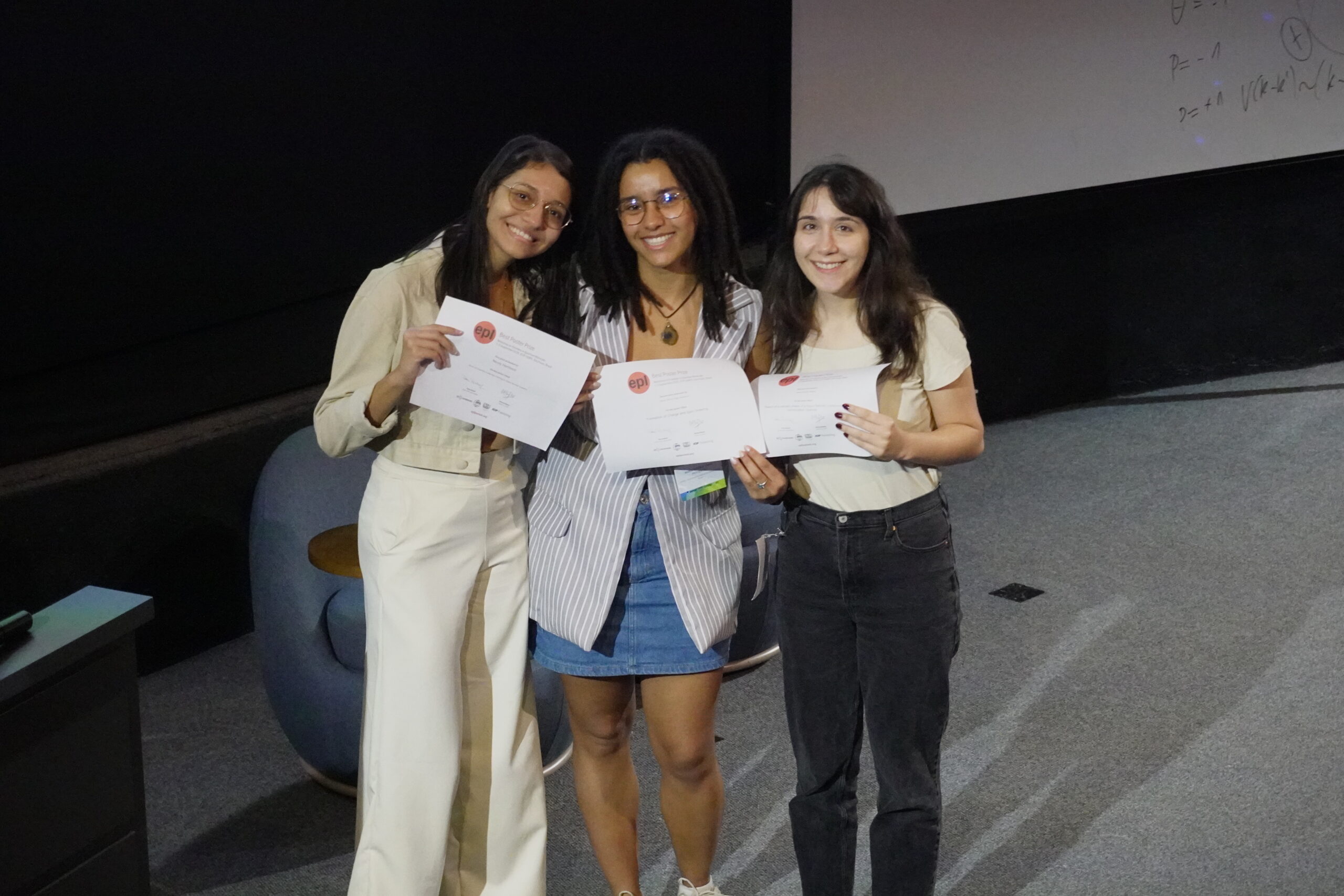
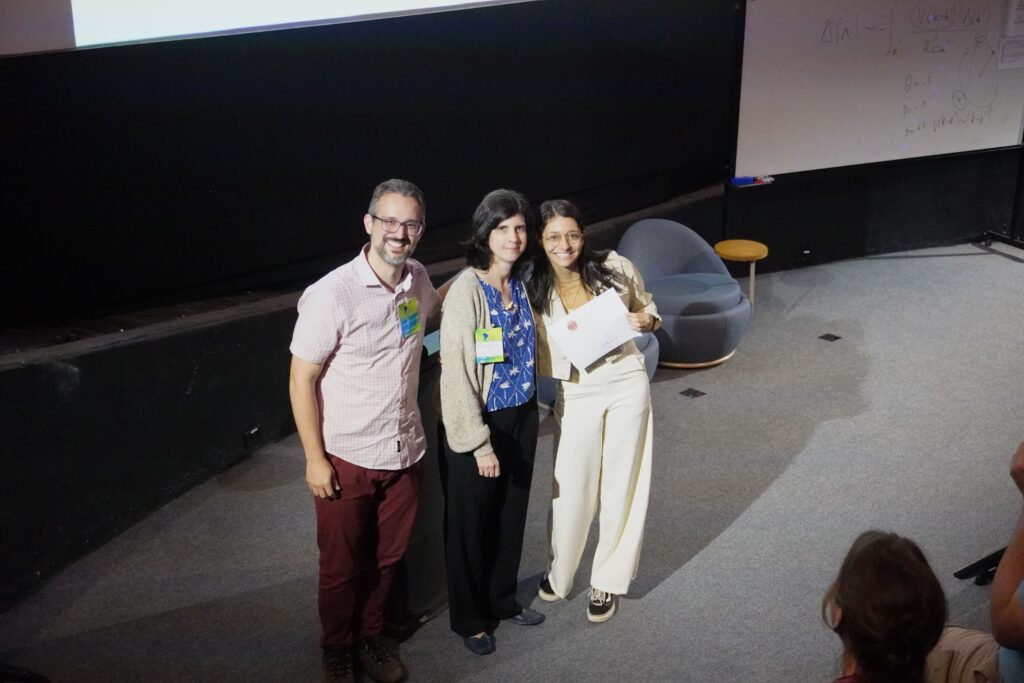
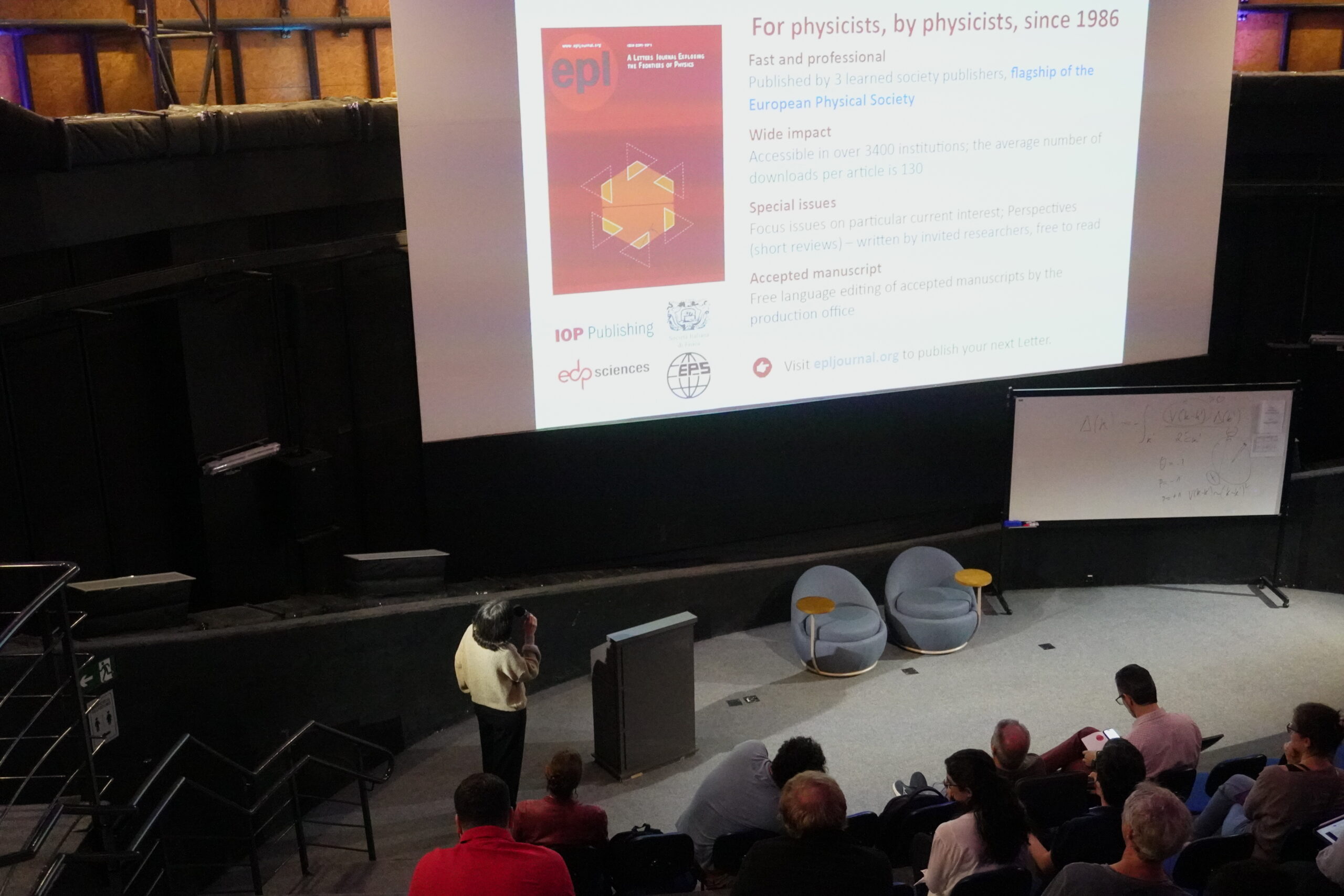
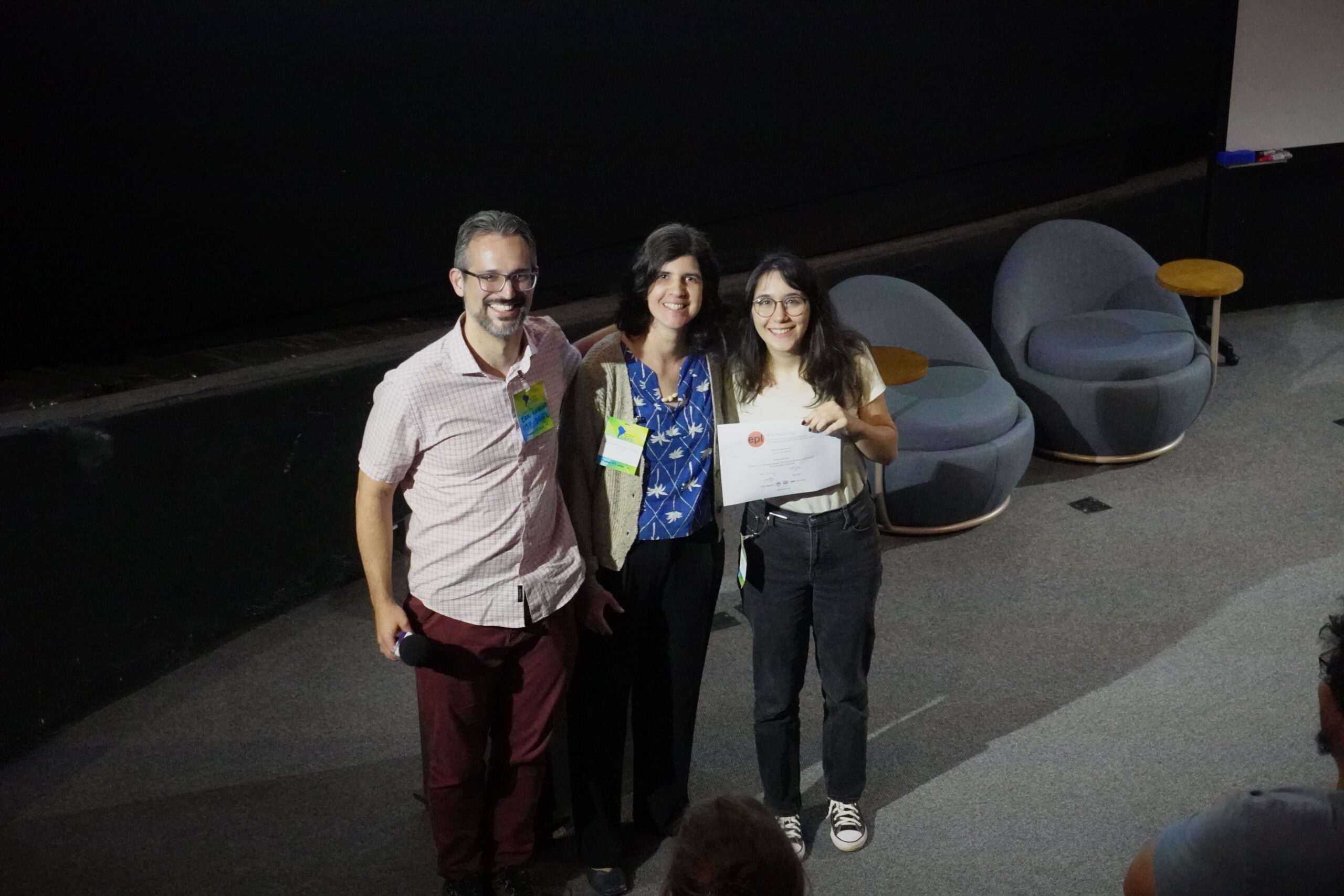
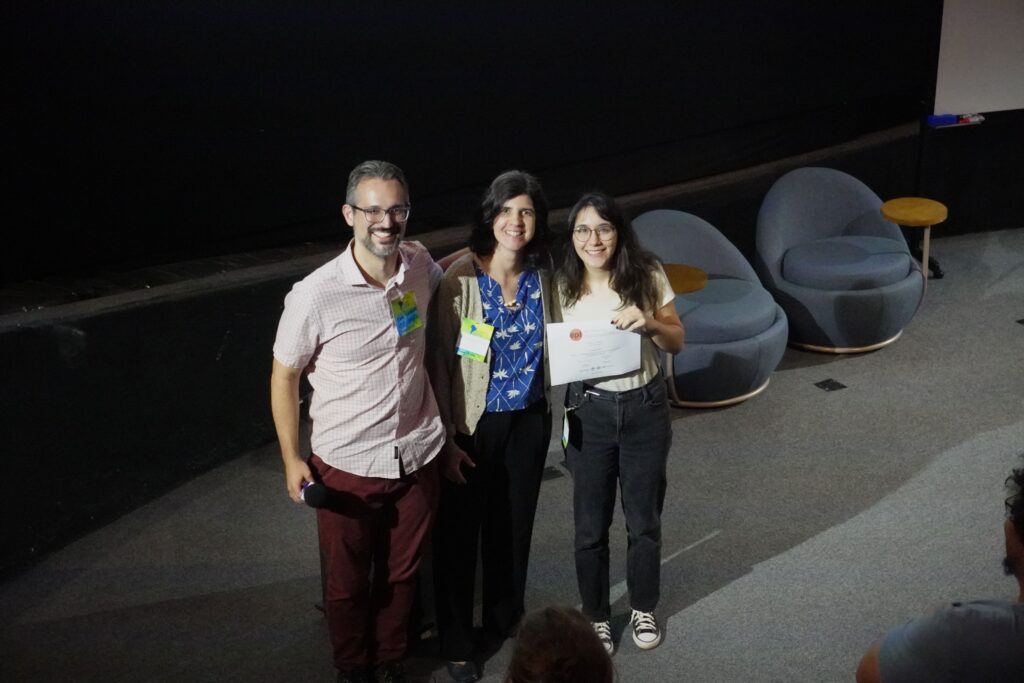
🥇 1st Prize – Nicoly Hembeck (Universidade Estadual de Campinas, Brazil) – With Eric Andrade (USP, Brazil) and Maria Carolina De Oliveira Aguiar (EPL Co-Editor)
“Study of possible multipolar ordering in heavy fermion systems”
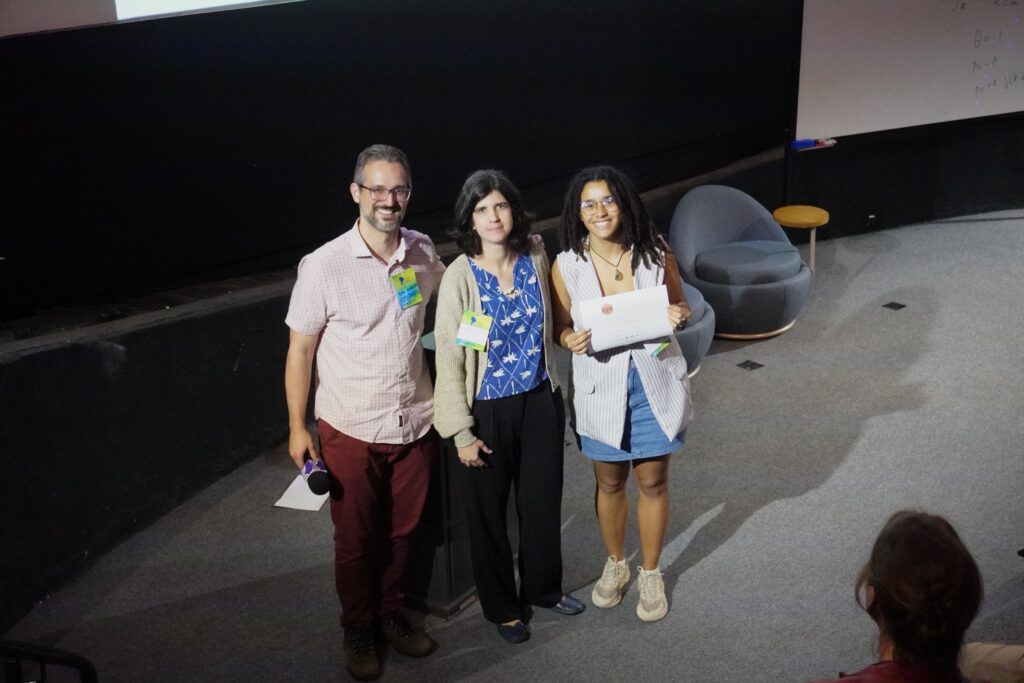
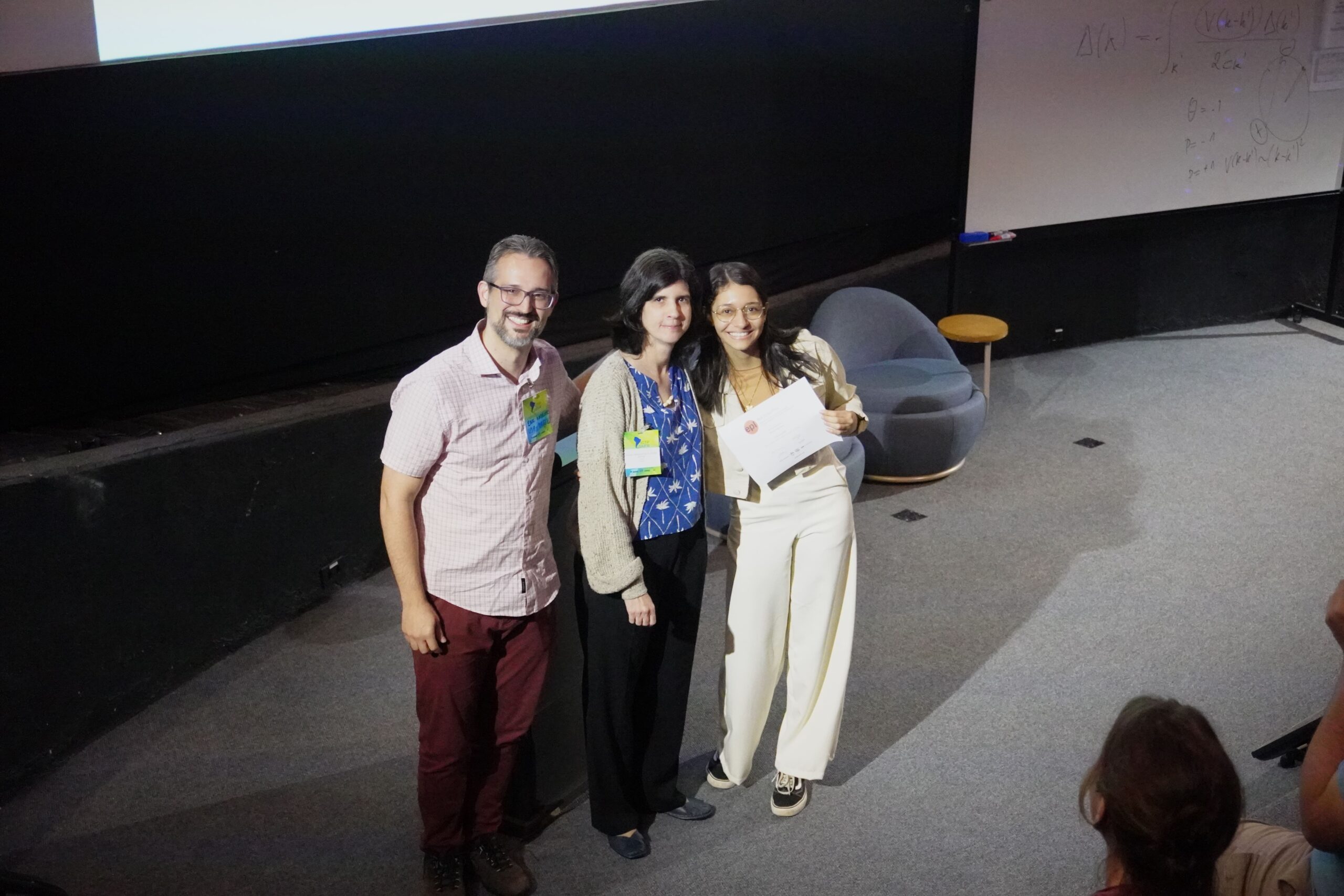
🥈 2nd Prize – Maria Vitória Tiago Inocêncio (Universidade Federal de Minas Gerais, Brazil) – With Eric Andrade (USP, Brazil) and Maria Carolina De Oliveira Aguiar (EPL Co-Editor)
“Formation of Charge and Spin Ordering: Temporal Evolution After Quenches in One-Dimensional Interacting Systems”
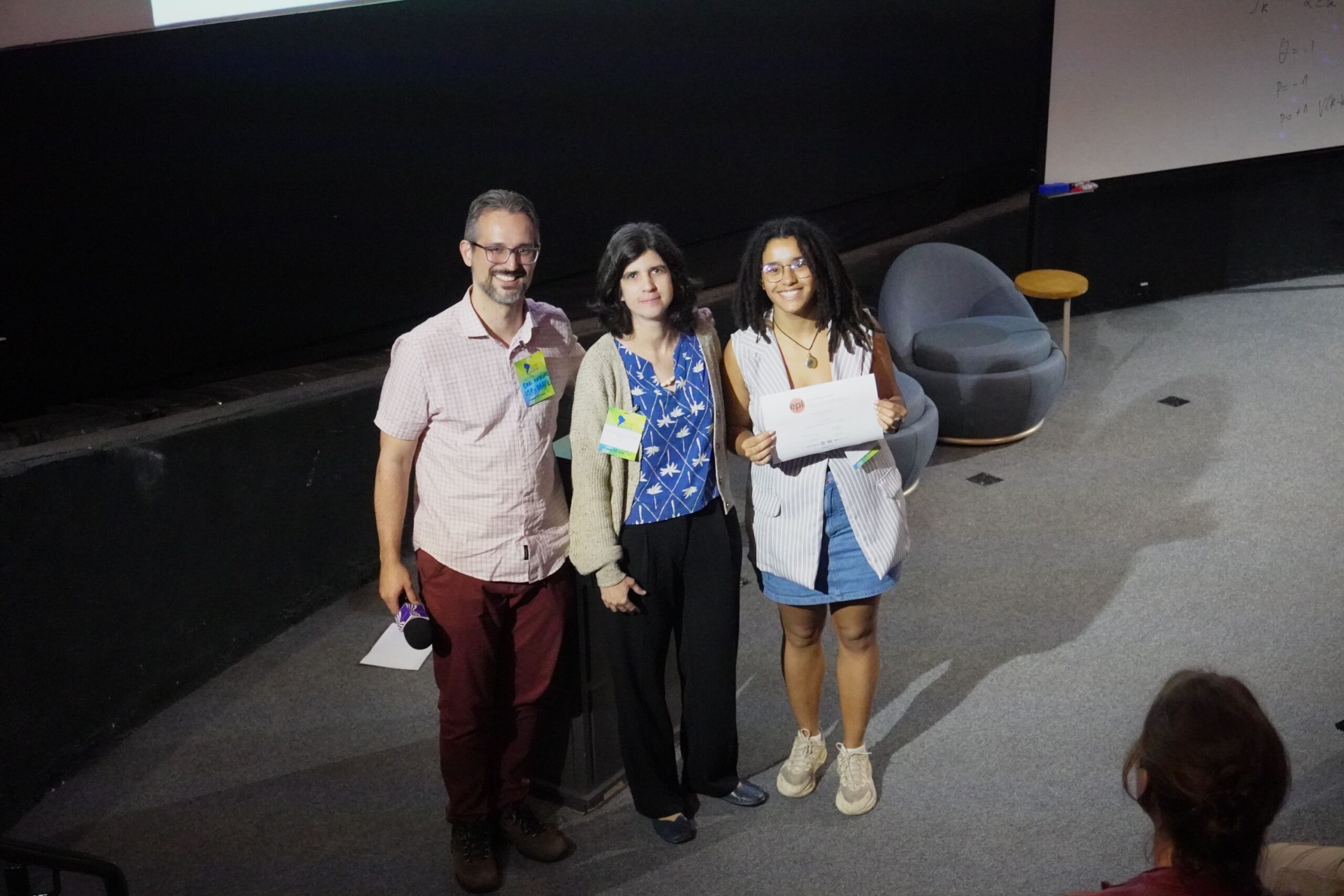
🥉 3rd Prize – Valéria Mariani Mattiello (Universidade Estadual de Campinas, Brazil) – With Eric Andrade (USP, Brazil) and Maria Carolina De Oliveira Aguiar (EPL Co-Editor)
“Theory of a nematic phase of a heavy fermion compound: symmetry breaking in the hybridization channel”
Co‑Editor — EPL
I am in quantum computing, i.e., how to use quantum mechanics to solve computational problems. My specific area of focus is in quantum error correction and fault-tolerant quantum computing that ensures the quantum devices we build from noisy components can compute accurately despite of imperfections unavoidable in real devices. How did I get into it? I happened to sign up for a quantum computing course by David Mermin in Cornell - I was there for my undergraduate studies. I don’t even remember really why I signed up; probably the course description had looked interesting and I didn’t know anything about the subject. This was 2002/2003, still in the early years of the field. Mermin was decidedly inspiring and there were clearly very many curious questions left open. I was at that point considering PhD studies, and this looked like a good area to get into. Plus, I was on a government scholarship from Singapore, and had to eventually return there to work. There was already interest in quantum computing then in Singapore, so going into it for PhD made a lot of sense.
For the past two/three years, there has been very rapid progress in implementing error correction in quantum computing devices that actually helps reduce the computational error rates. This is a huge milestone for the field. Error correction requires increased complexity in the computational operations to be able to remove errors. This means that the error rate per component must be below a certain level before the overall more complex error-corrected computation can remove, not add, errors - this is the concept of the fault-tolerance noise threshold that all devices have to get below before error correction actually works. For the longest time, devices were simply not good enough; it is only in the couple of years that we saw signs of crossing that threshold.
It’s still not easy though - majority of quantum computing devices in the lab today are still unable to effectively implement error correction for various reasons. There is thus still a lot more room for research. It is clear that error-corrected quantum computation has to become significantly more easy to realise before we can expect quantum computers to fulfil its potential as a useful computational tool.
Because EPL is a letter journal, I look especially for relevance and accessibility to a broad audience, in the scientific content as well as the writing itself. Of course, “broad” here does not refer to “all of physics”, which covers too wide a spectrum these days for any paper to reasonably reach. Instead, I look for relevance and accessibility to the whole sub-field of physics. Take my field of quantum computing, for example. If I cannot see how a submission is of general interest to people in quantum computing, it just doesn’t belong in EPL. A specific paper that deals with, say, experimental techniques in neutral-atom devices would have a better fit in a more technical, more targetted journal than the broad-audience EPL.
When writing the paper, think of a target audience beyond your immediate peers/collaborators. This applies not just to papers targeting broad-audience journals (see my previous point), but also for those bound for technical journals. Writing a paper that has impact is all about reaching readers beyond your own network of collaborators; your own network would likely have already heard about the results from your talks or through private discussions. I sometimes see manuscripts that read as if they are notes written for themselves, or for close collaborators who already know the subject; those are just not likely to be impactful beyond that very narrow circle. Instead, take the effort to explain, in as simple terms as you can manage, what you have done, and why it is important even to topic-adjacent readers, so that you can broaden your reach and enhance your work’s impact.
These days, with a young child at home, I have little time for much else outside of work other than reading. I do read a lot, though, and primarily fiction. I don’t have a specific genre that I read, though, like many scientists, I read a lot of sci-fi and fantasy books. But I try to mix it up and get a wide variety. That variety, and the fictional setting, I do think is important for any scientist - it really is true that one gets the best ideas when doing something entirely irrelevant to one’s research area!
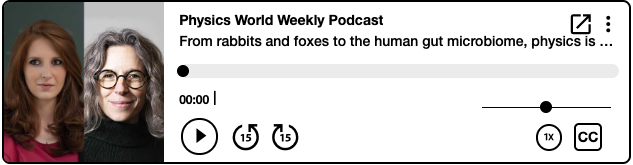
This episode of the Physics World Weekly podcast is a conversation with two physicists, Ada Altieri and Silvia De Monte, who are using their expertise in statistical physics to understand the behaviour of ecological communities.
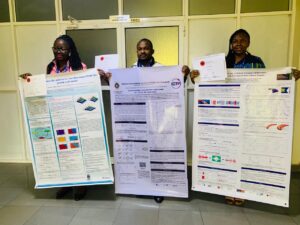
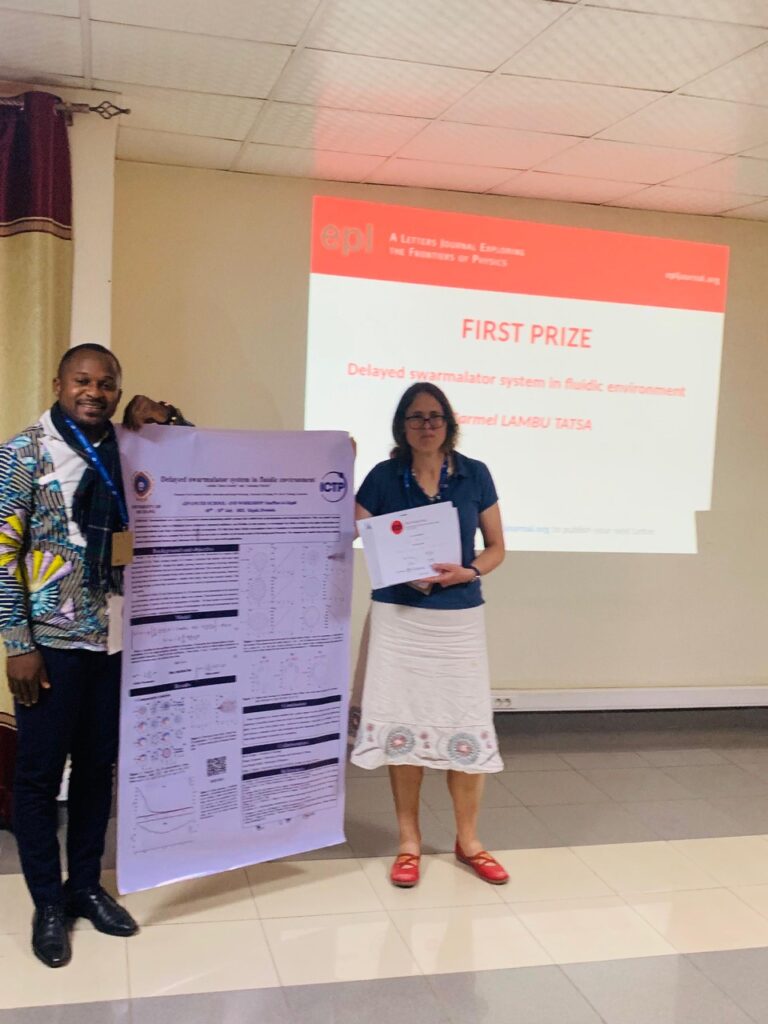
🥇 1st Prize – Carmel LAMBU TATSA
(University of Dschang, Cameroon)
“Delayed swarmalator system in fluidic environment”
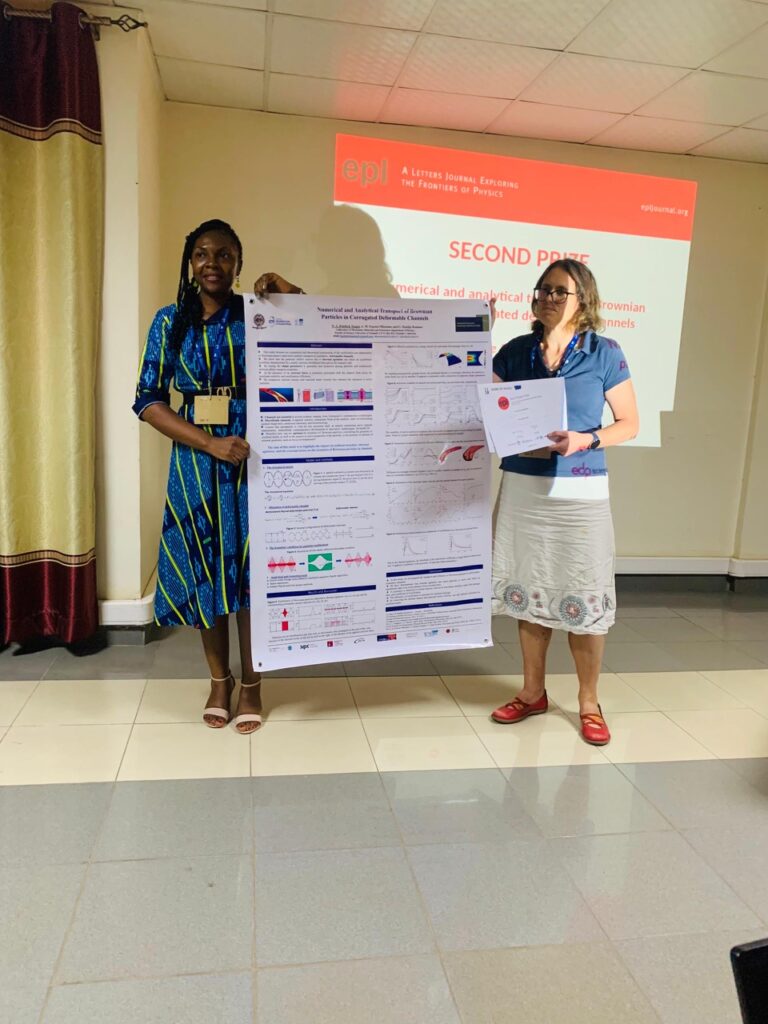
🥈 2nd Prize – Nelly Ariane DONFACK TSAGN
(University of Yaounde I, Cameroon)
“Numerical and analytical transport of Brownian particles in corrugated deformable channels”
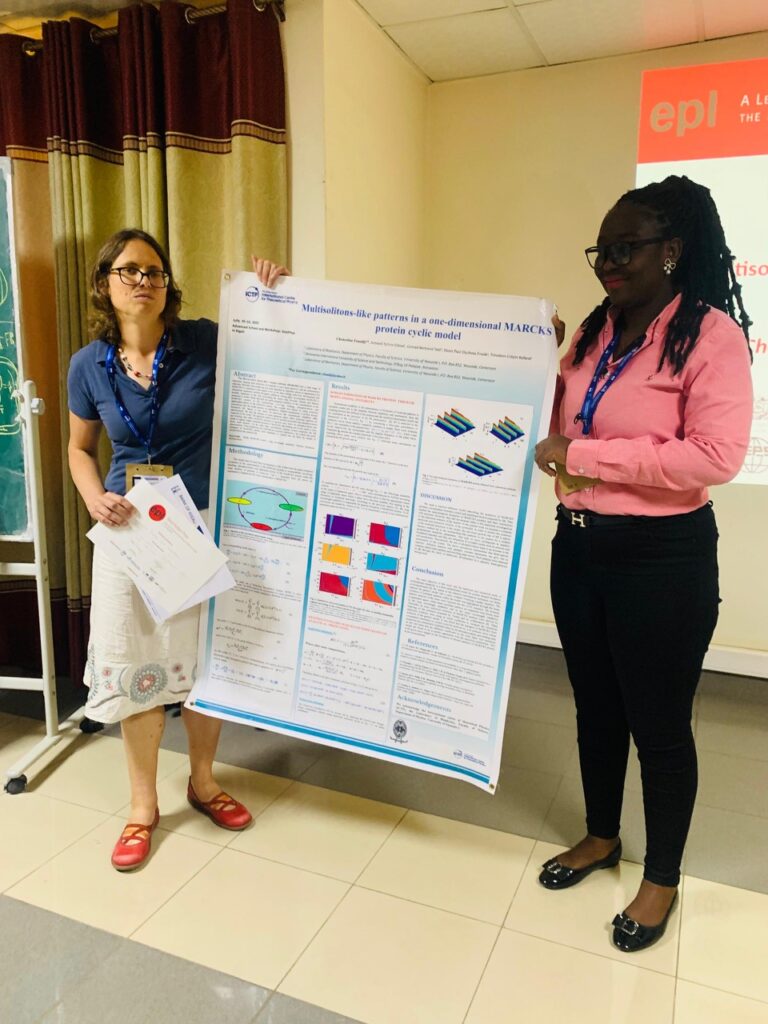
🥉 3rd Prize – Chenceline FOUEDJI EPSE LEKEUFACK
(University of Yaounde I, Cameroon)
🧬“Multisolitons-like patterns in a one-dimensional MARCKS protein cyclic model”
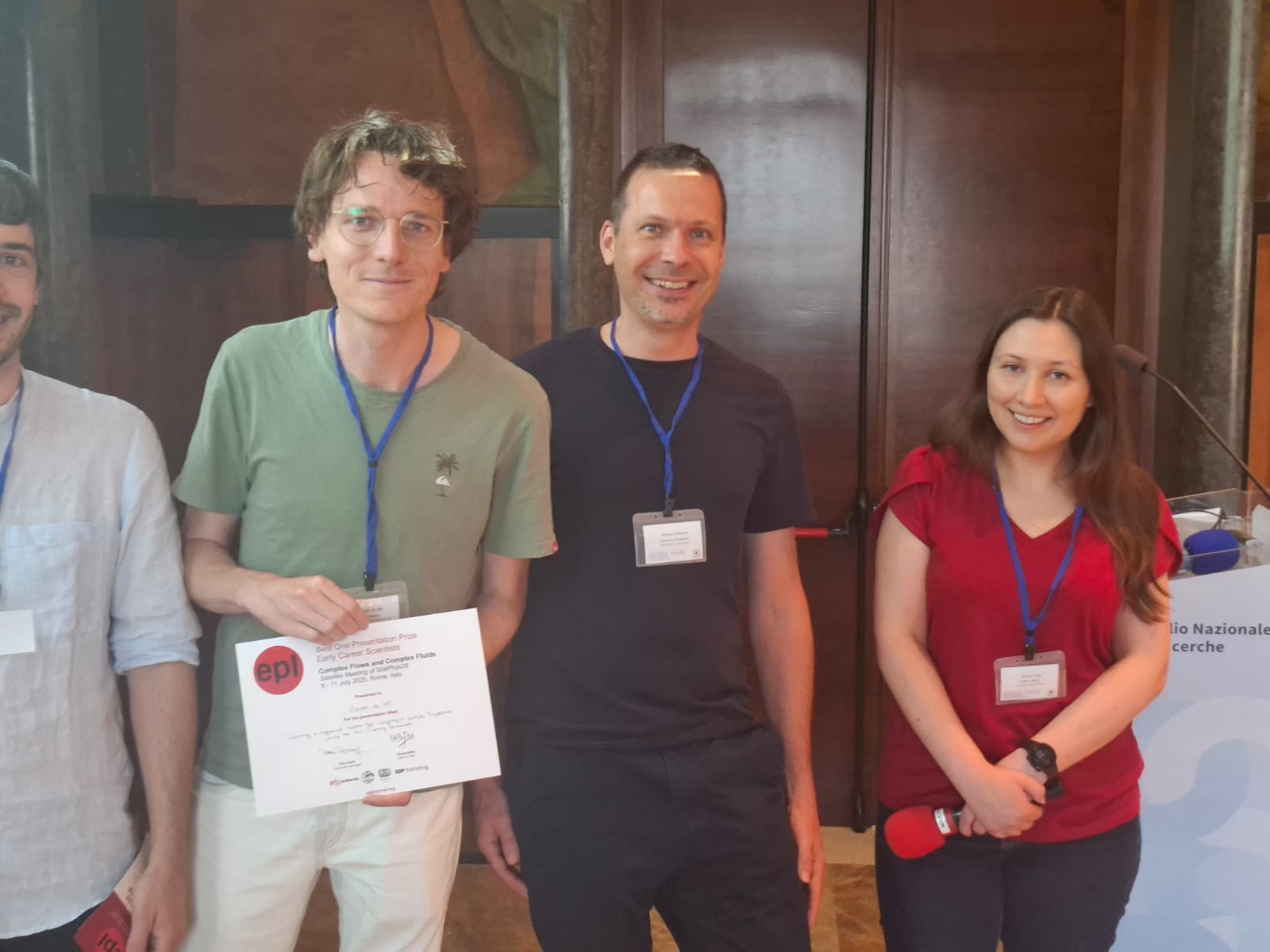
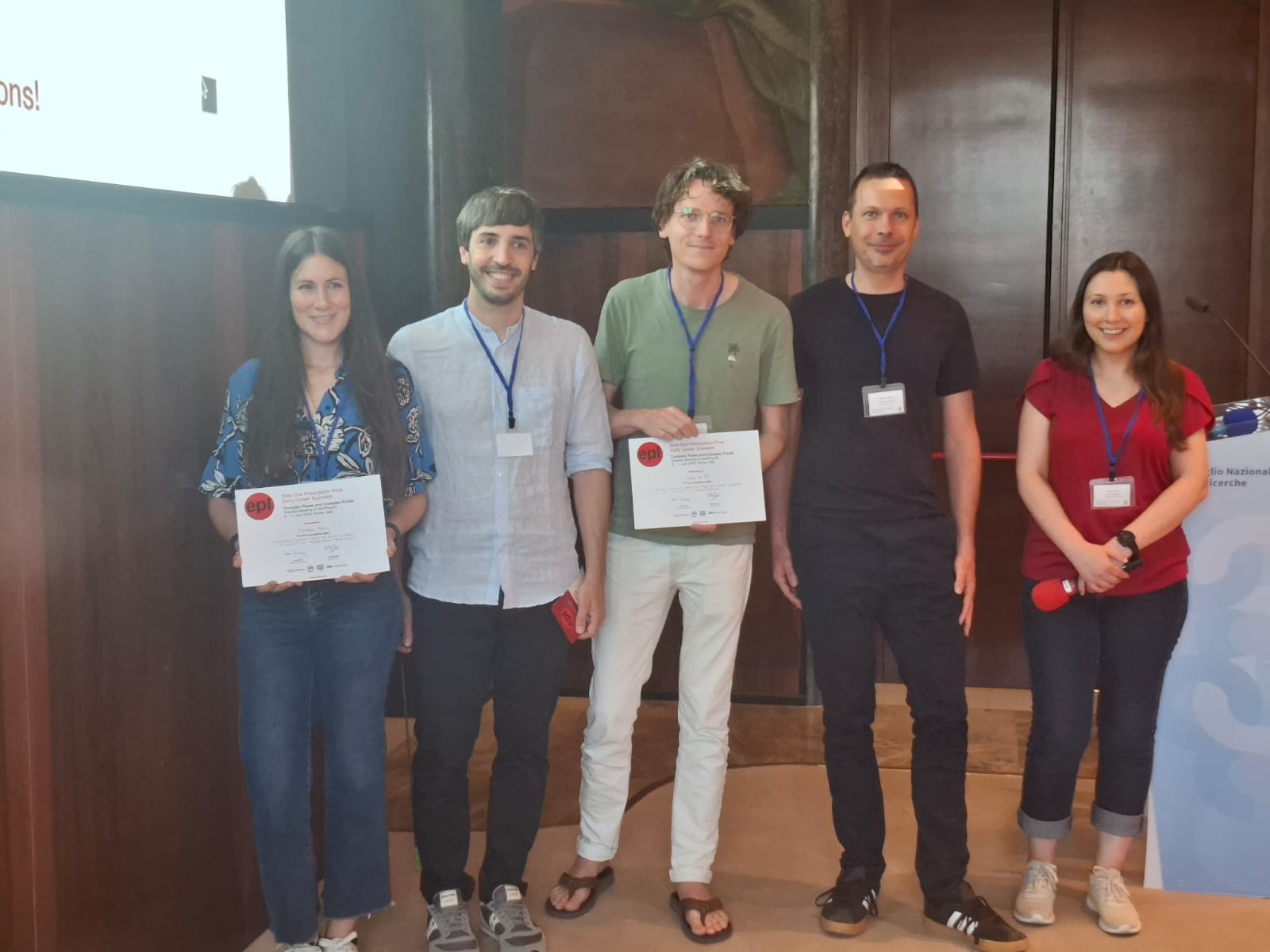
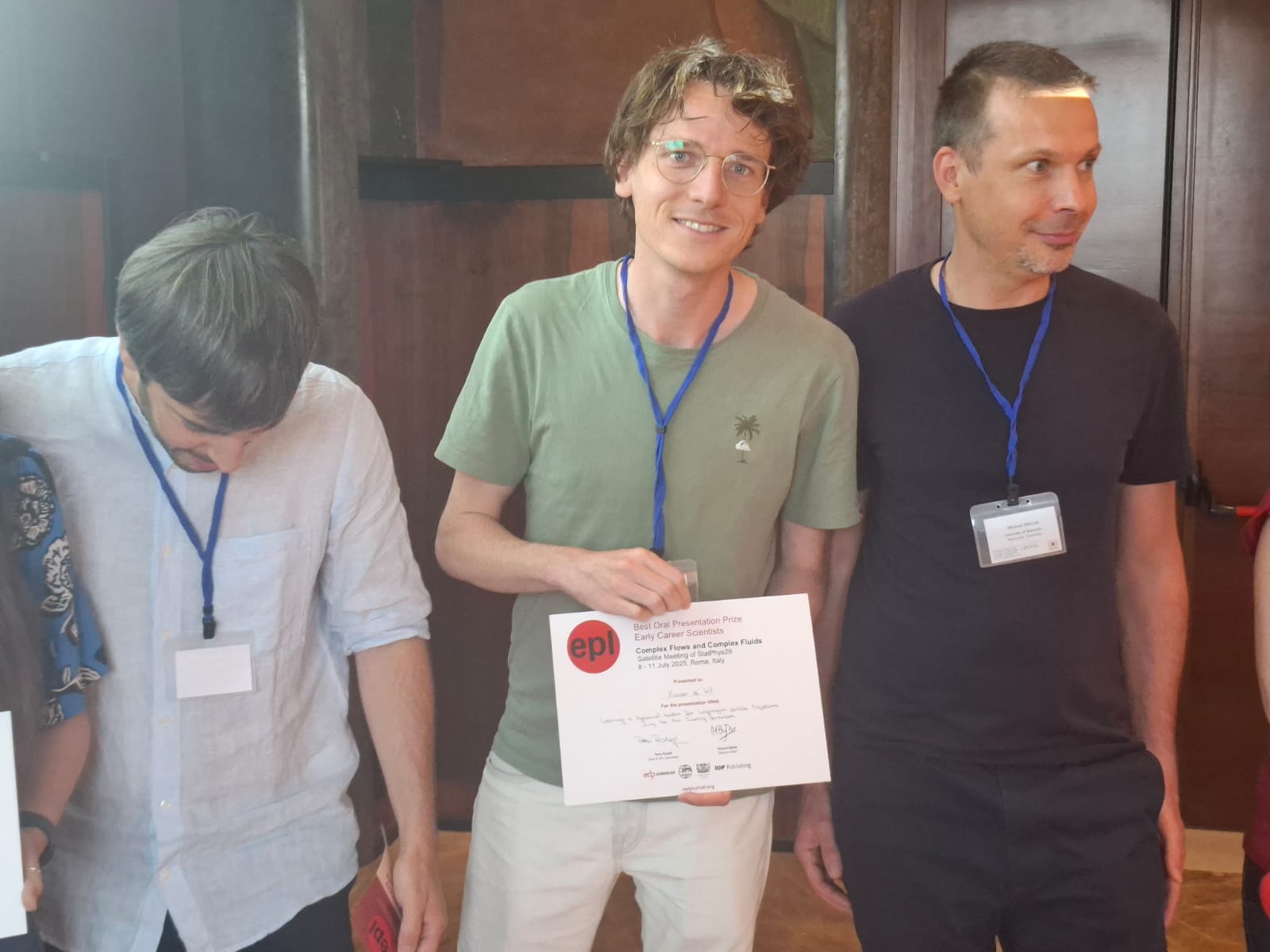
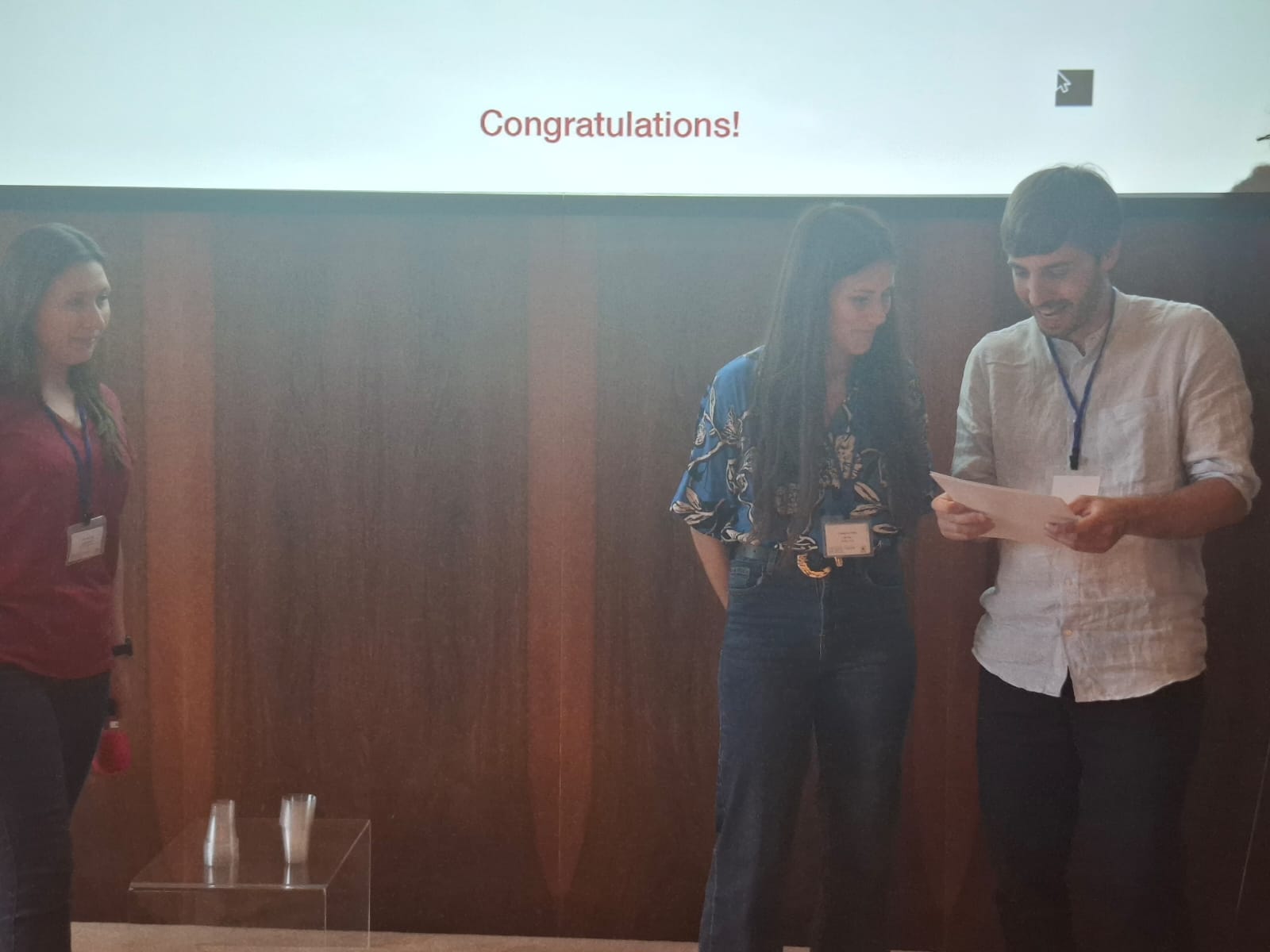
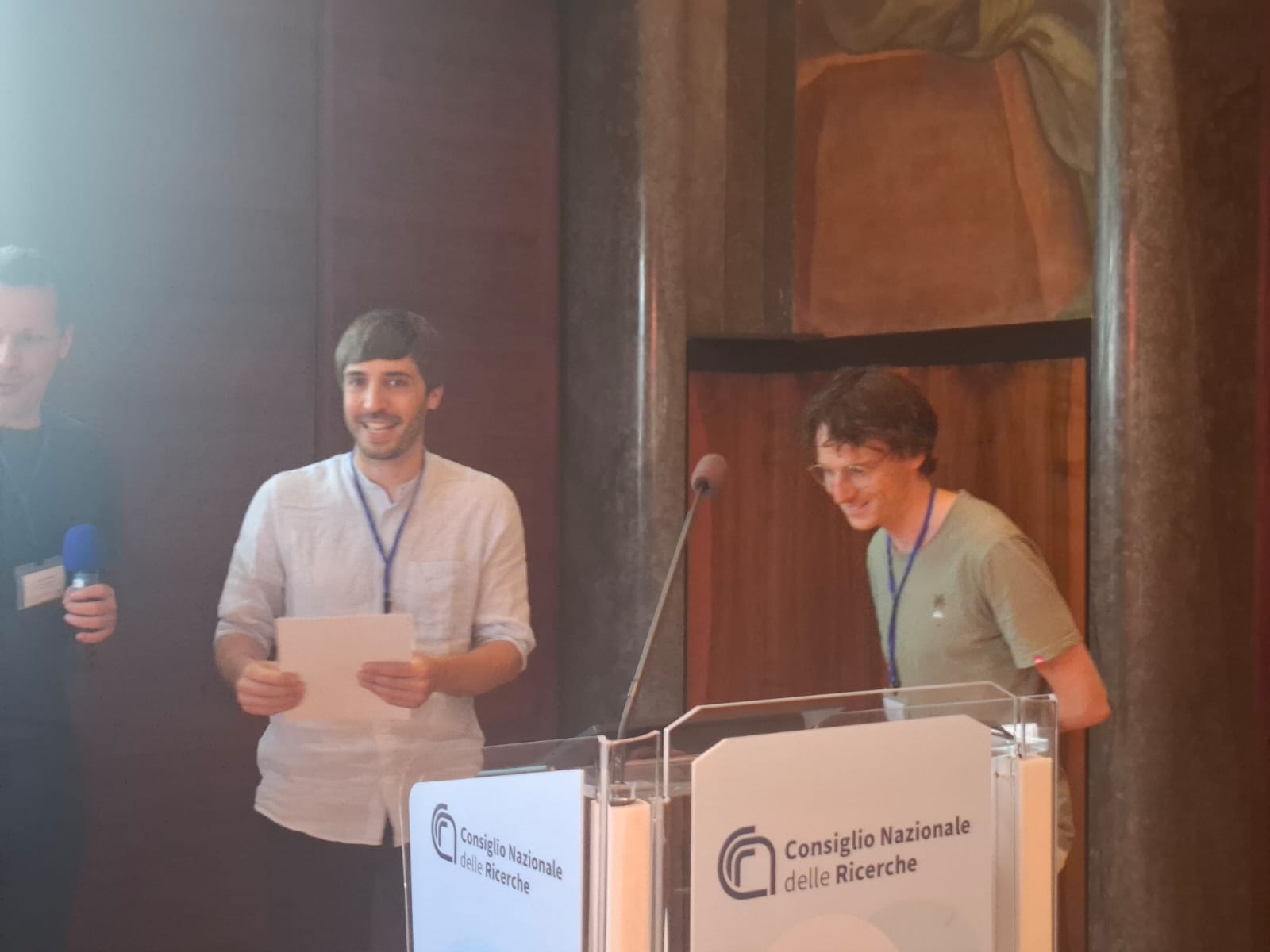
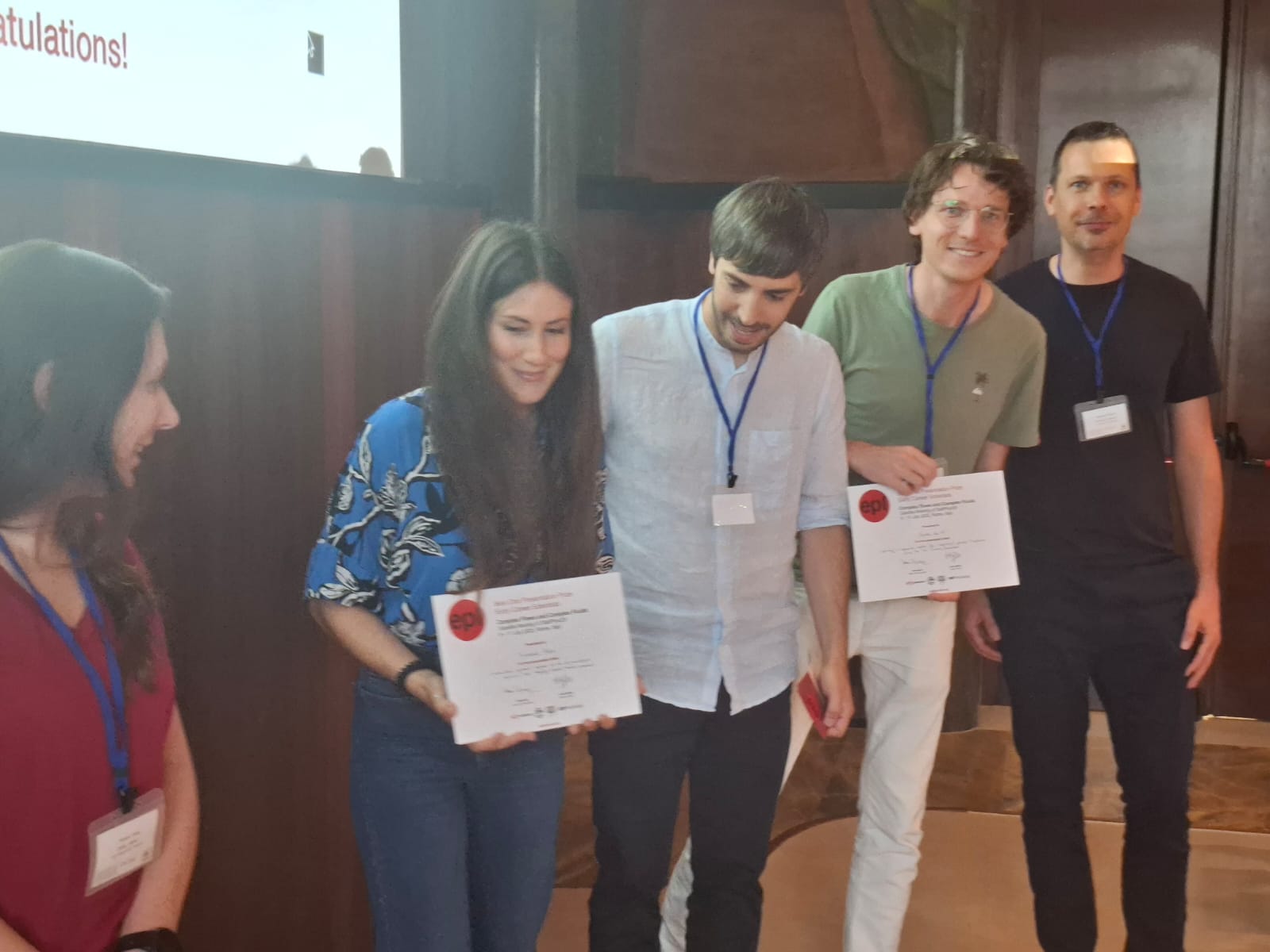
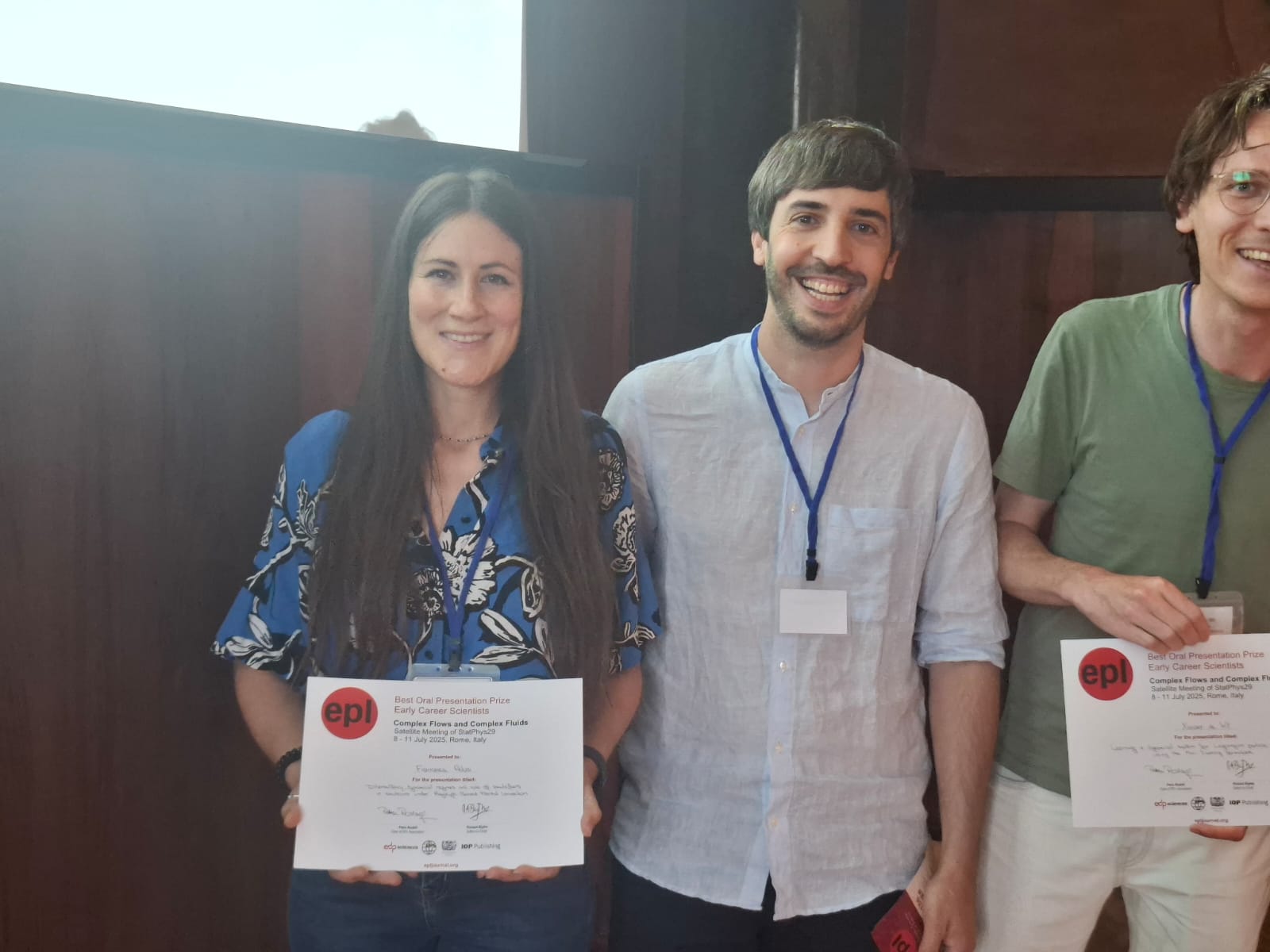
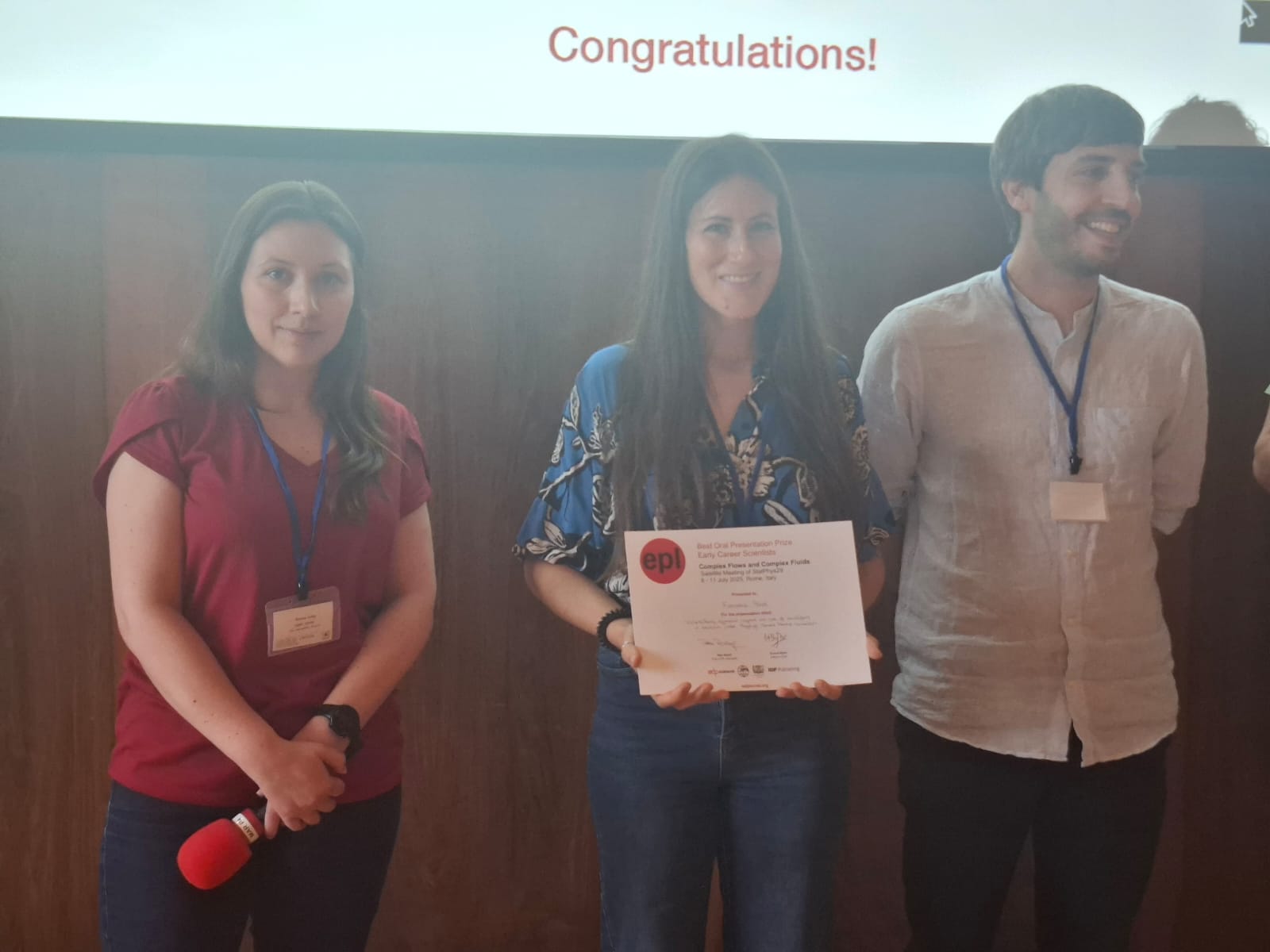
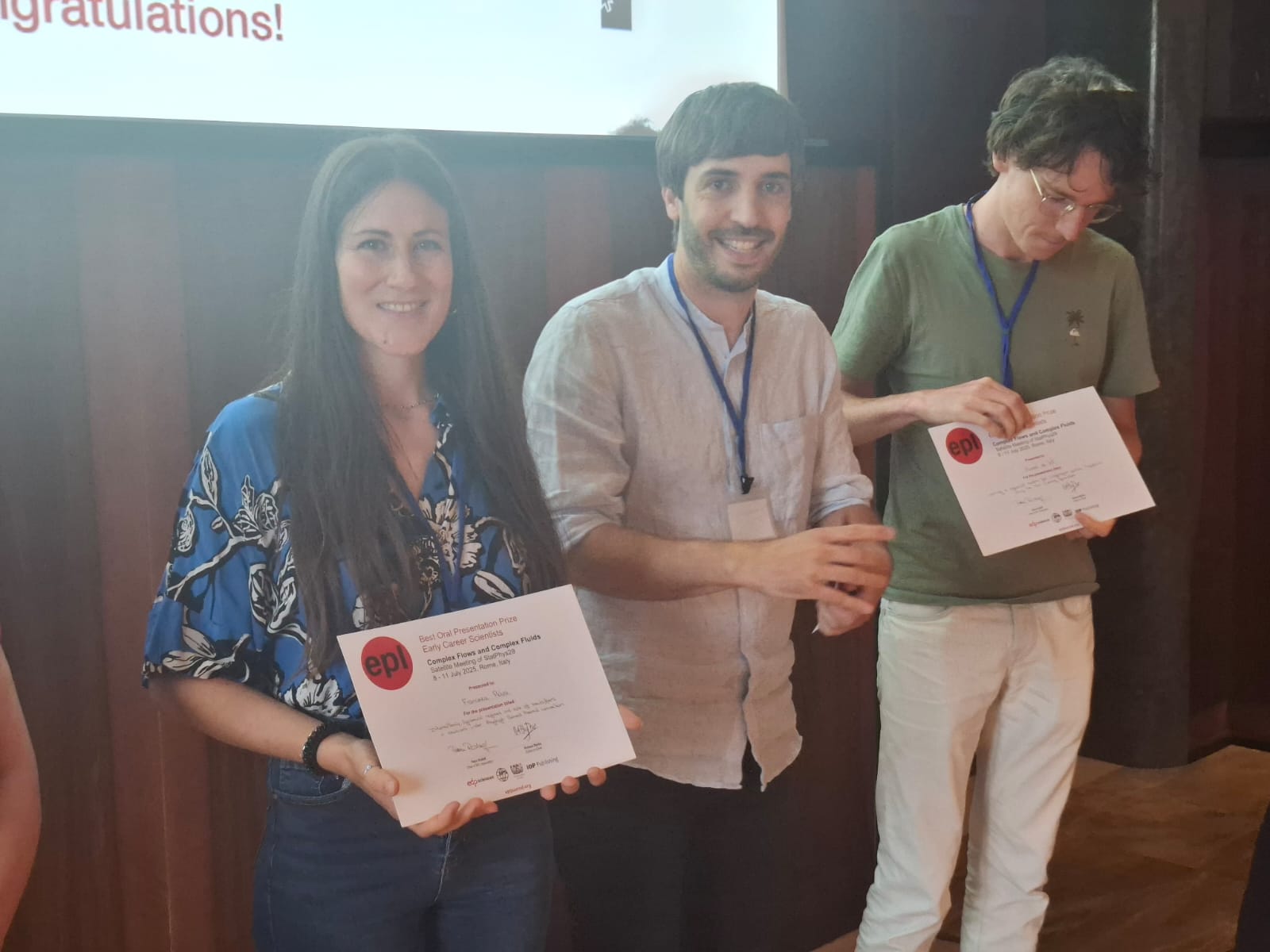
From left to right: Dr. Francesca Pelusi (awardee), Dr. Michele Buzzicotti (jury), Dr. Xander de Wit (awardee), Prof. Michael Wilczek (jury), and Dr. Aurore Loisy (jury).
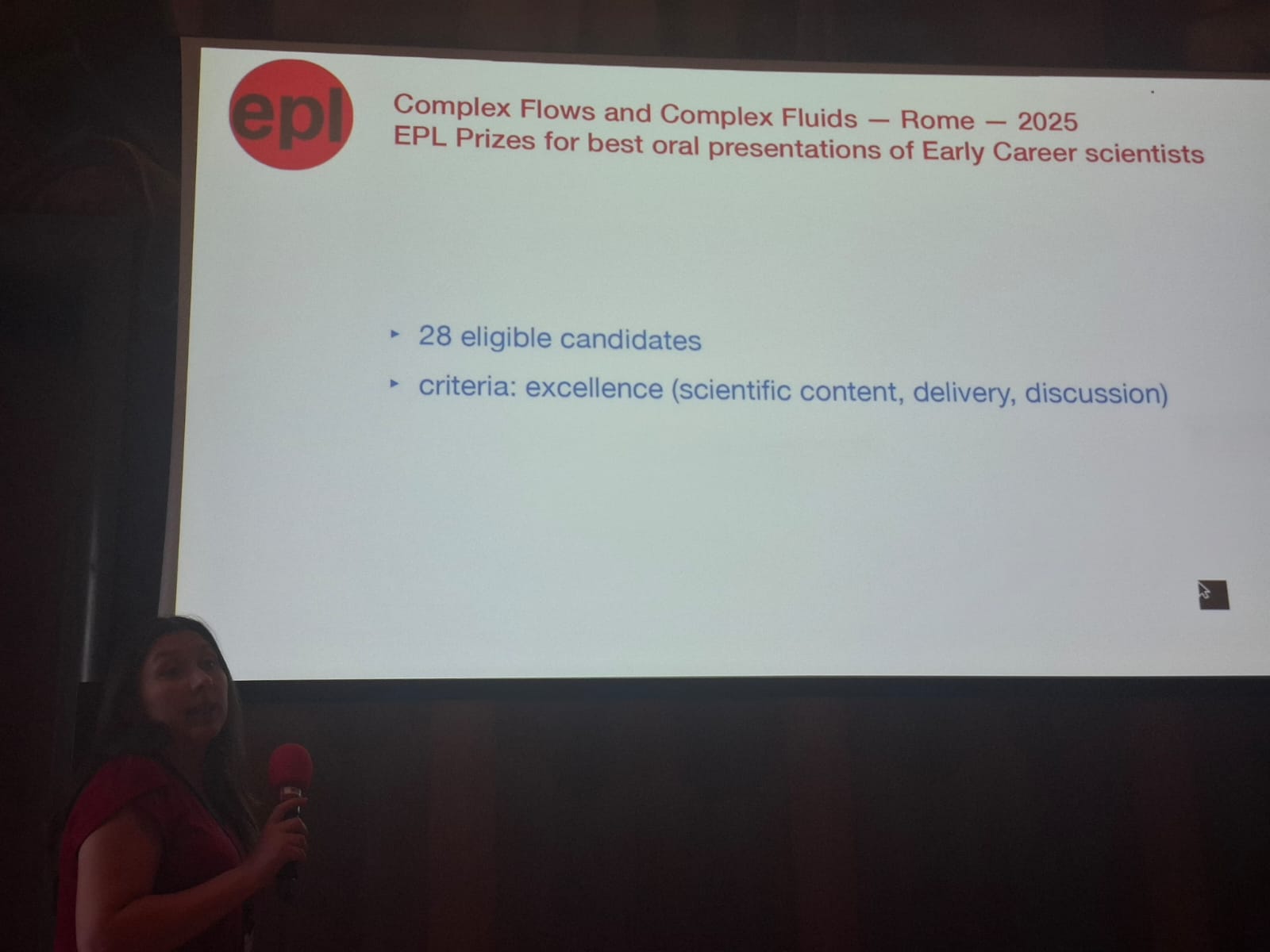
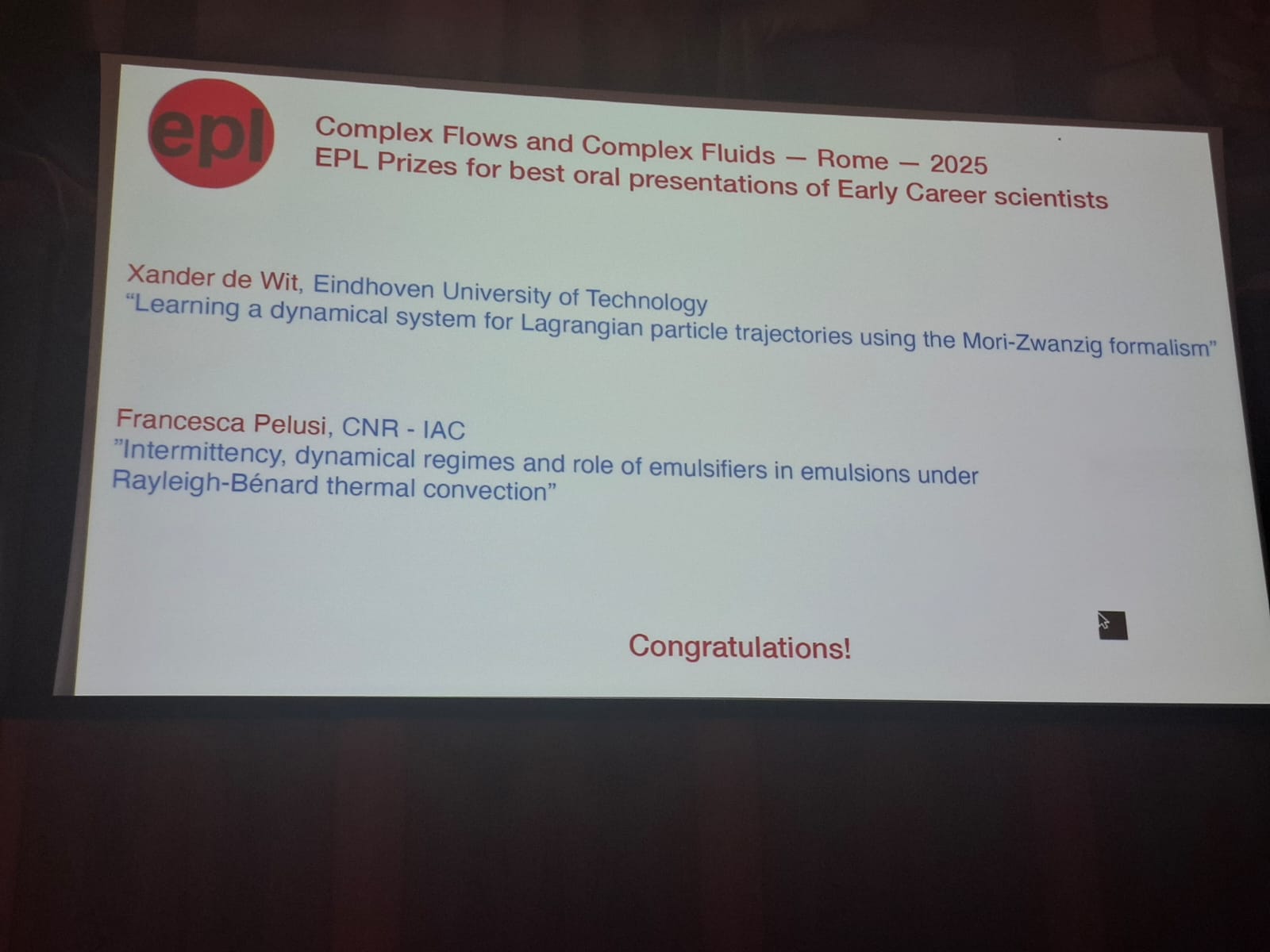
EPL supported the Workshop ‘Complex Flows and Complex Fluids‘ (https://biferale.web.roma2.infn.it/ComplexFlowsComplexFluids/) held in Rome, 8-11 July 2025, satellite meeting of StatPhys29(https://statphys29.org/) taking place in Florence, 13-18 July 2025.EPL awarded a 200€ prize each for the two best oral presentations by Early Career Scientists.
There were 28 eligible candidates, and hence it was not an easy task for the Committee members, Dr. Aurore Loisy (IRPHE, Marseille, FRANCE), Dr. Michele Buzzicotti (Dept. Physics, Univ. Tor Vergata, Rome, ITALY) and Prof. Michael Wilczek (University of Bayreuth, Germany).
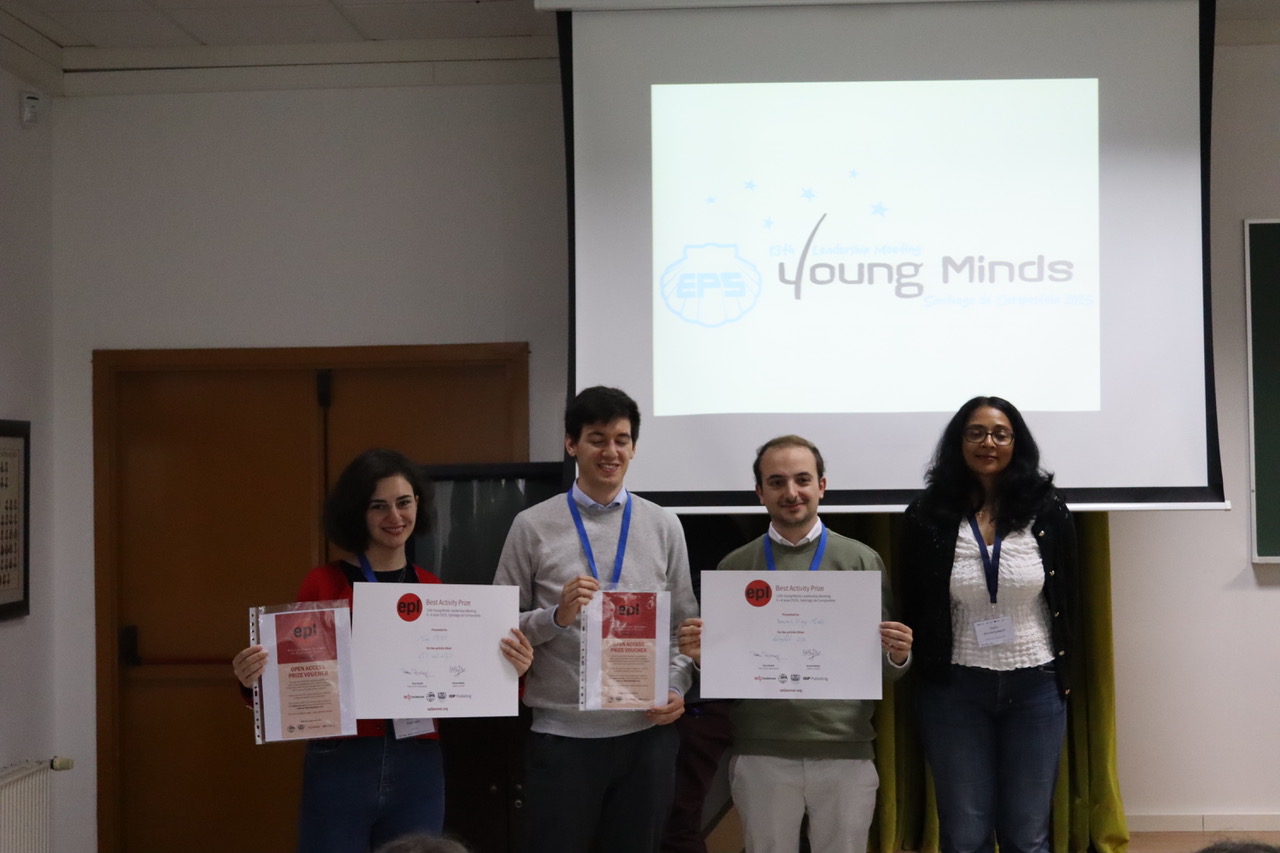
EPL was present at the 13th Young Minds Leadership Meeting and awarded two 250€ prizes to the YM Sections with the best activity of the year! All Sections of the Young Minds Programme conducted extraordinary activities during past year and we would like to praise their work across Europe and abroad. However, only two Sections could win our EPL Best Activity Award and the winners are…
Milan YMs and Yerevan YMs!
To celebrate the International Day of Light, Milan YM hosted an event at Politecnico di Milano combining science and creativity. After discussing gravitational waves and VIRGO detector, participants built simple interferometers using LEGO bricks, offering a fun and hands-on way to explore big physics ideas.
Meanwhile, Yerevan YM gathered over 500 people across Armenia for science and stargazing in Jermuk. Participants enjoyed telescope sessions, science talks, and cultural shows during the Perseid meteor shower. Visitors also explored fun physics experiments and learned about space and the universe from top scientists.
We would like to thank all the Young Minds Programme for the incredible work they do all across Europe.
The Young Minds winners together with Vijala Kiruvanayagam, Executive Editor of EPL:
🏆 Siranush Asatryan (Yerevan)
🏅 Marco da Ros and Francesco di Pasquale (Milan)
✒️ Vijala Kiruvanayagam (Executive Editor, EPL)
The Young Minds winners with Anne Grigoryan, Young Minds representative:
🌍 Anne Grigoryan
🏆 Siranush Asatryan (Yerevan)
🏅 Marco da Ros and Francesco di Pasquale (Milan)
Full group photo with the Young Minds team:
🌍 Anne Grigoryan
🏆 Siranush Asatryan (Yerevan)
🏅 Marco da Ros and Francesco di Pasquale (Milan)
✒️ Vijala Kiruvanayagam (Executive Editor, EPL)
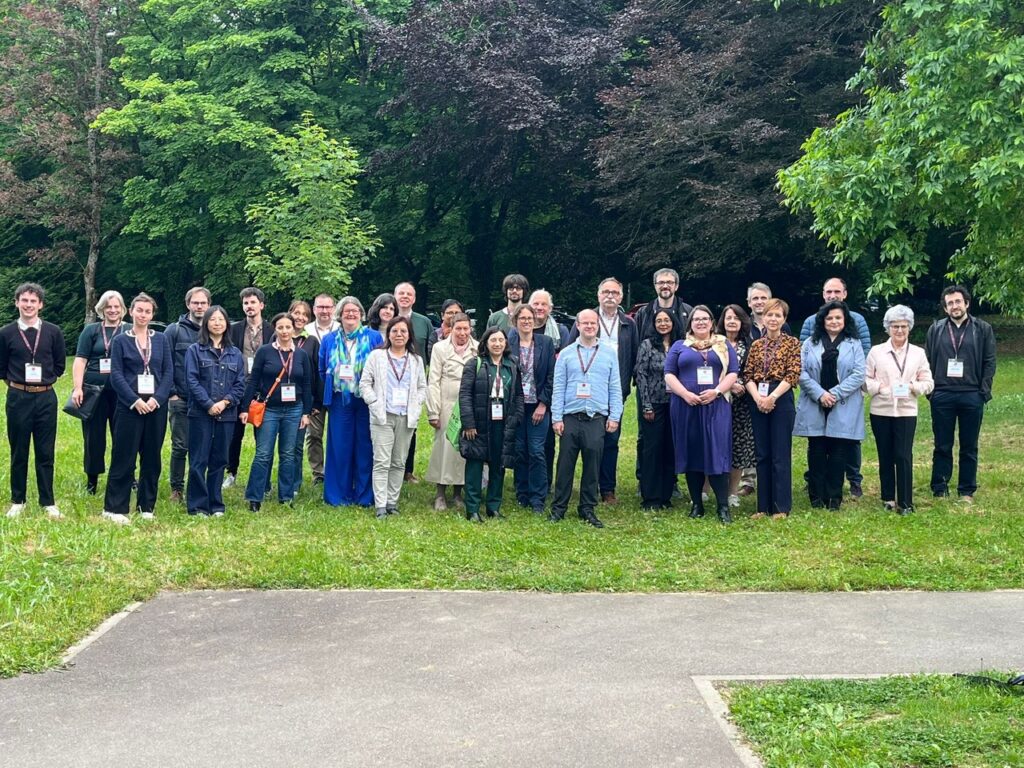
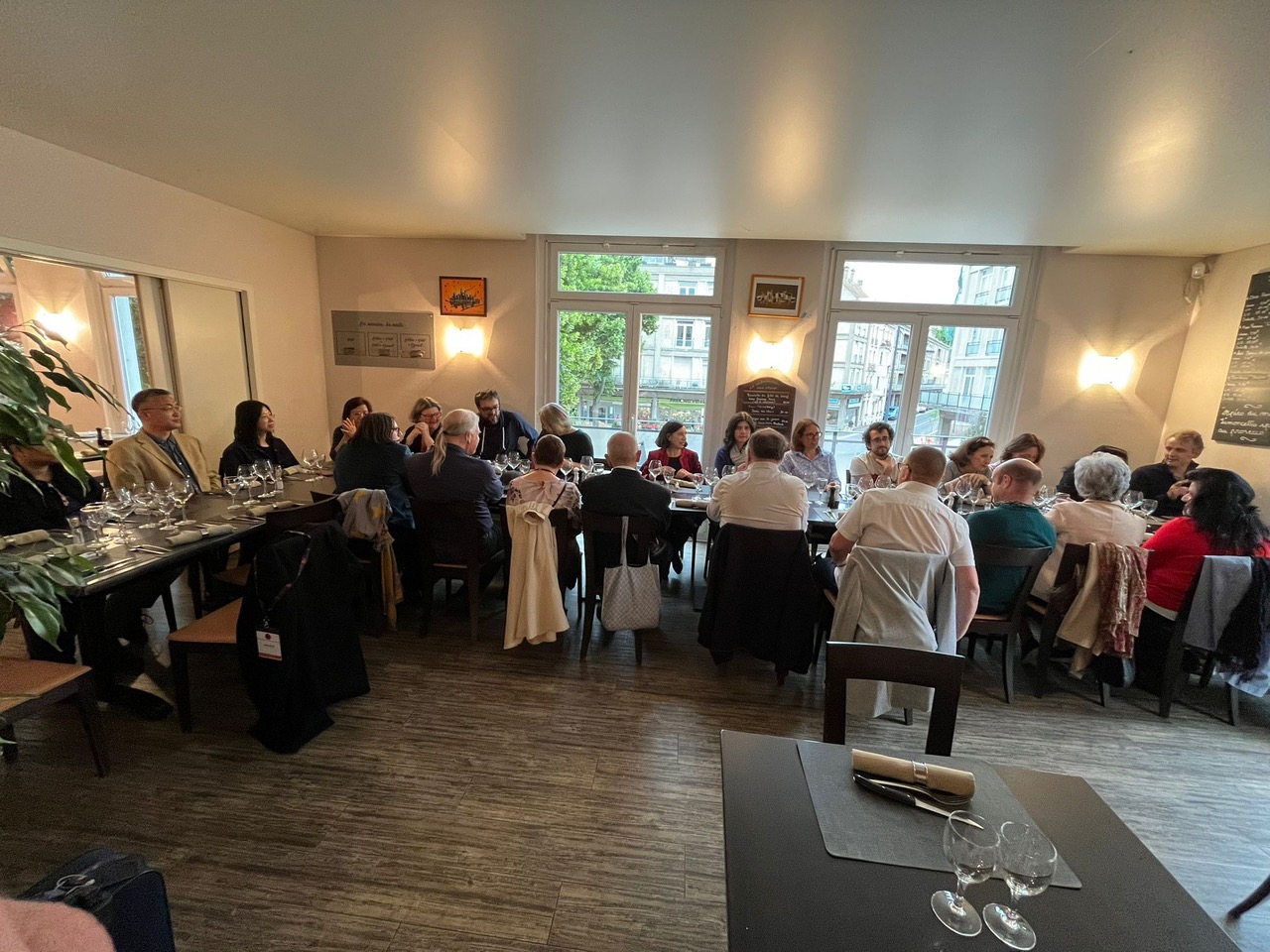
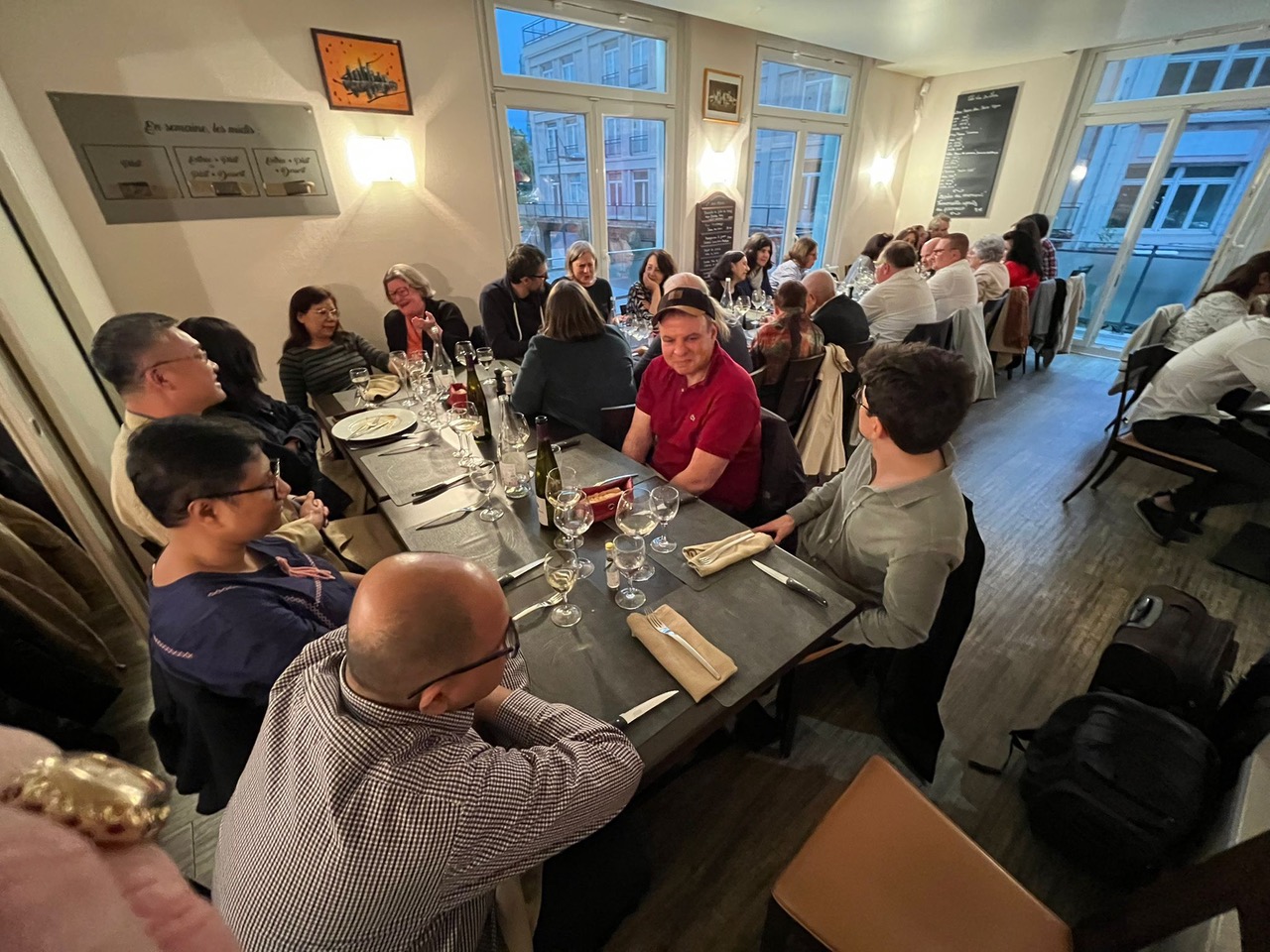
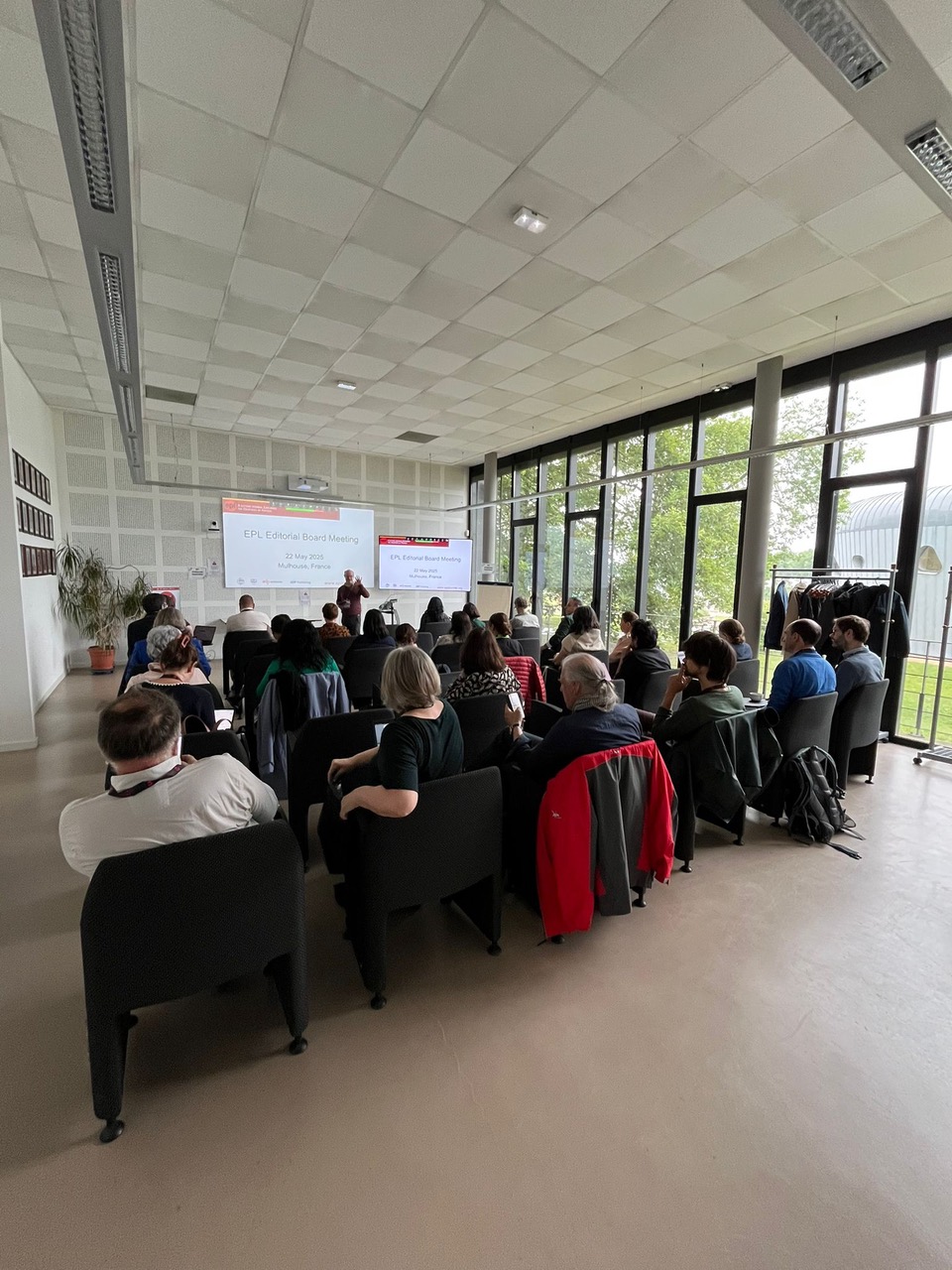
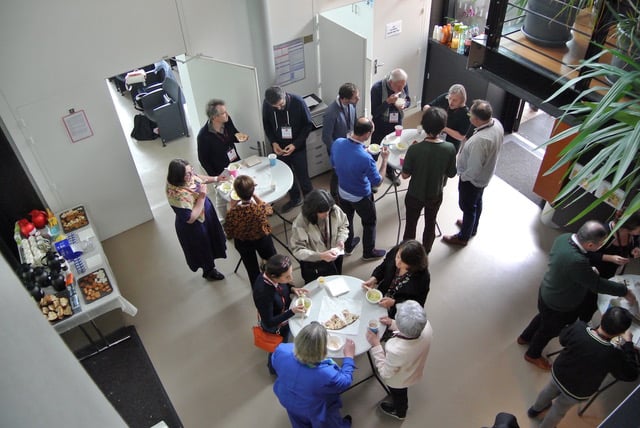
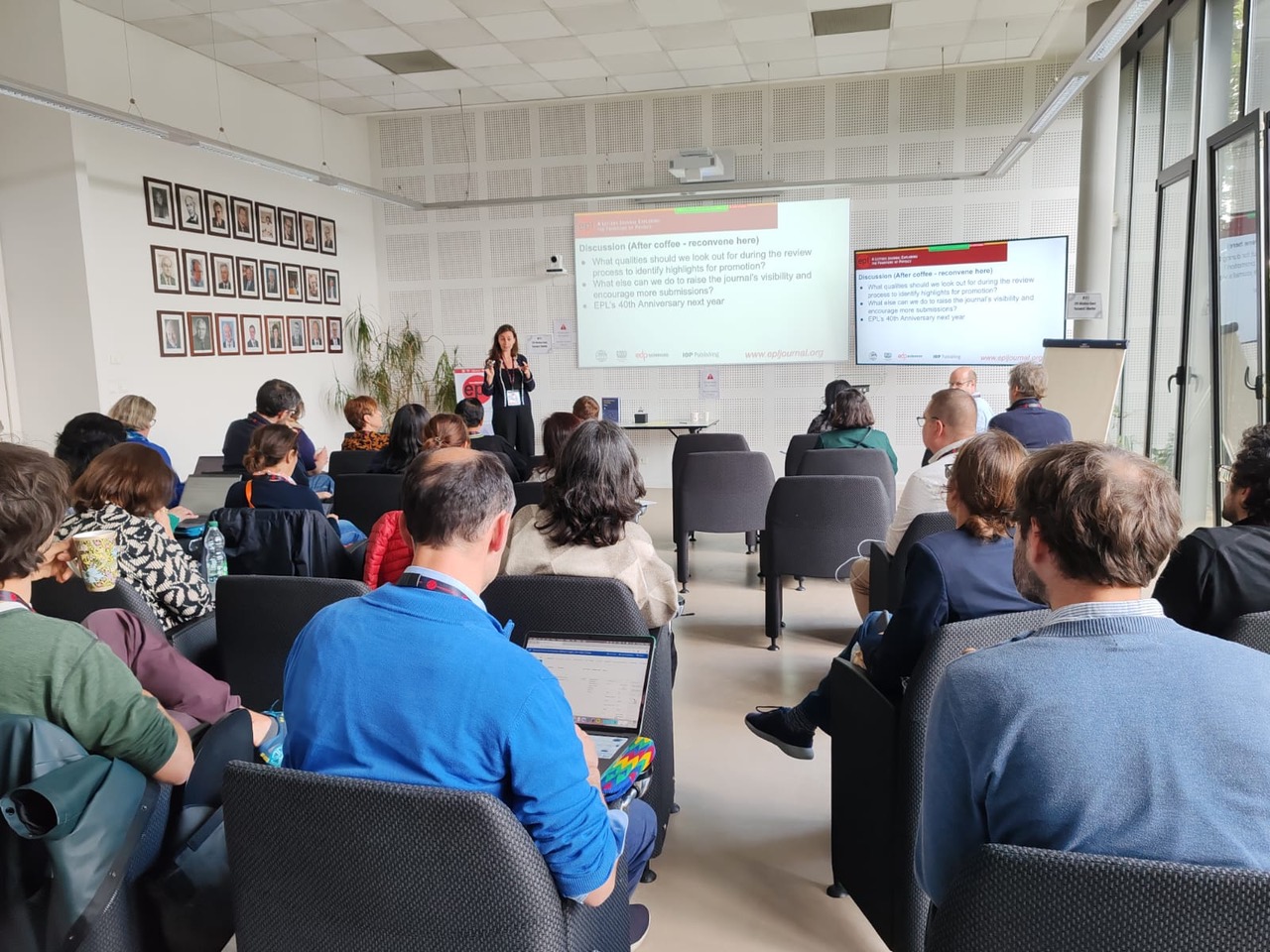
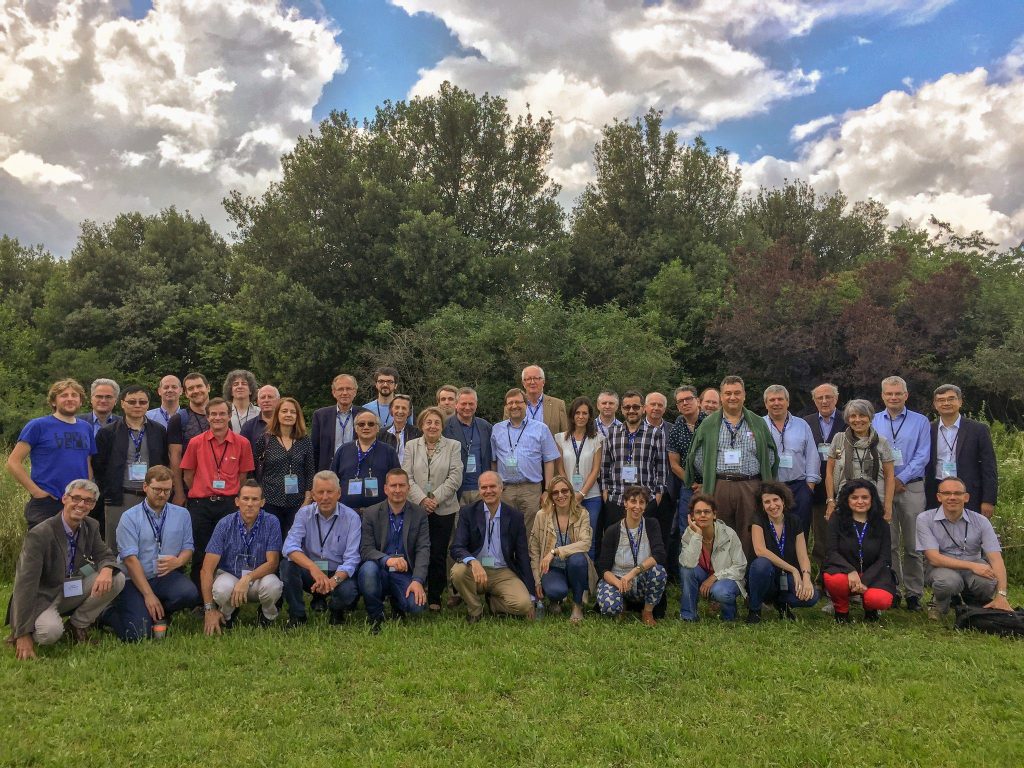
Members of EPL’s editorial board met on May 22nd 2025 at the EPS Editorial Office in Mulhouse, France, to discuss the journal’s strategic direction. The board, composed of practising researchers, emphasised the importance of maintaining high standards, supporting authors and reviewers, and upholding the journal’s values as a community-led journal with easy routes to open-access publication.
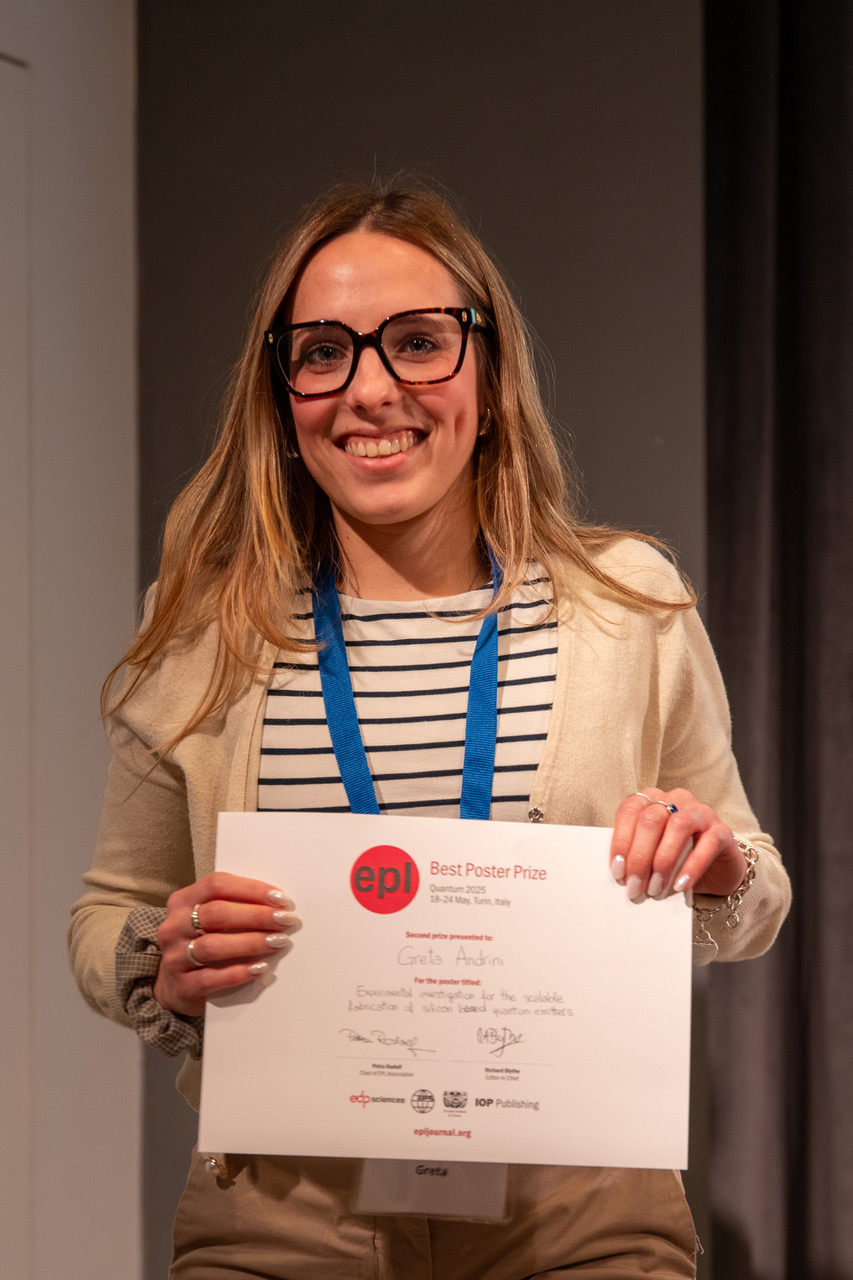
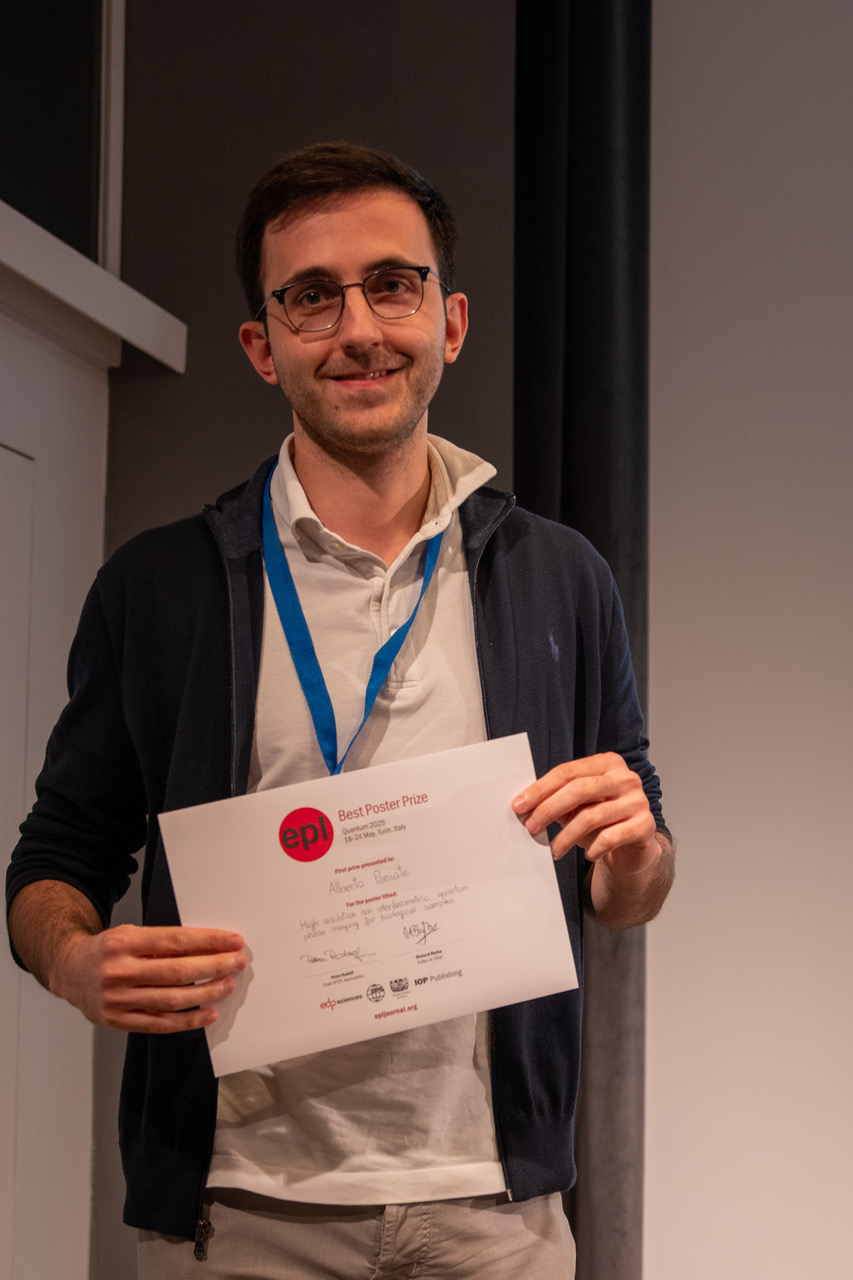
The Quantum 2025 conference, held in memory of Carlo Novero, is a biannual event that began around 20 years ago and has become a reference point in the fields of quantum foundations, quantum optics, and, more recently, quantum technologies. The latest edition took place in Torino from May 18 to May 23, 2025, bringing together leading scientists and early-career researchers from around the world. The rich program of invited and contributed talks, as well as poster presentations, allowed for an active participation and a lively scientific exchange of a large number of physicists.
EPL awarded three prizes to poster presentations by early-career researchers, selected by a committee of experts.
25 articles on topics such as condensed matter physics, network physics, complex systems, black hole physics, many-body quantum systems, quantum information and amorphous topological matter.
https://iopscience.iop.org/journal/0295-5075/page/highlights-of-2024
The Argentinian-German WE-Heraeus Seminar recently concluded after a week of scientific exchange focused on correlations and dynamics in low-dimensional quantum systems. Held from March 23 to March 29, 2025, in San Carlos de Bariloche, Argentina, the meeting brought together leading scientists and early-career researchers from both Argentina and Germany. The seminar was generously supported by the Wilhelm and Else Heraeus Foundation, Germany’s most prominent private institution funding physics research and education.
The seminar offered an intense and immersive week of scientific exchange focused on topics such as topological quantum matter, quantum spin liquids, Floquet dynamics, and superconducting quantum circuits. The program promoted in-depth discussions through a combination of invited lectures, poster presentations, and dedicated discussion sessions.
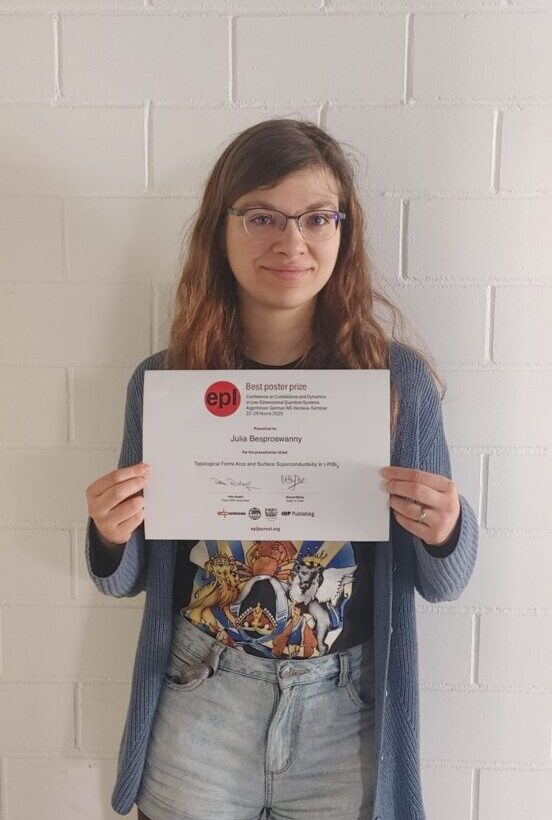
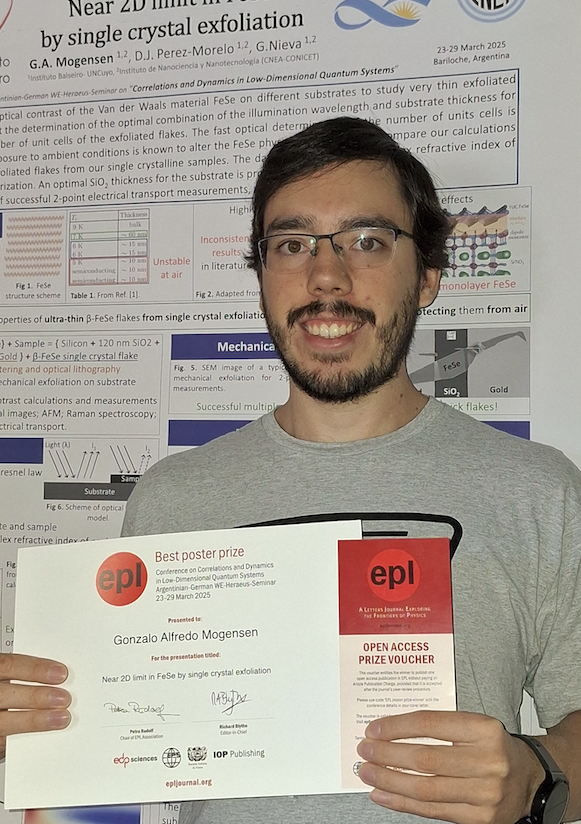
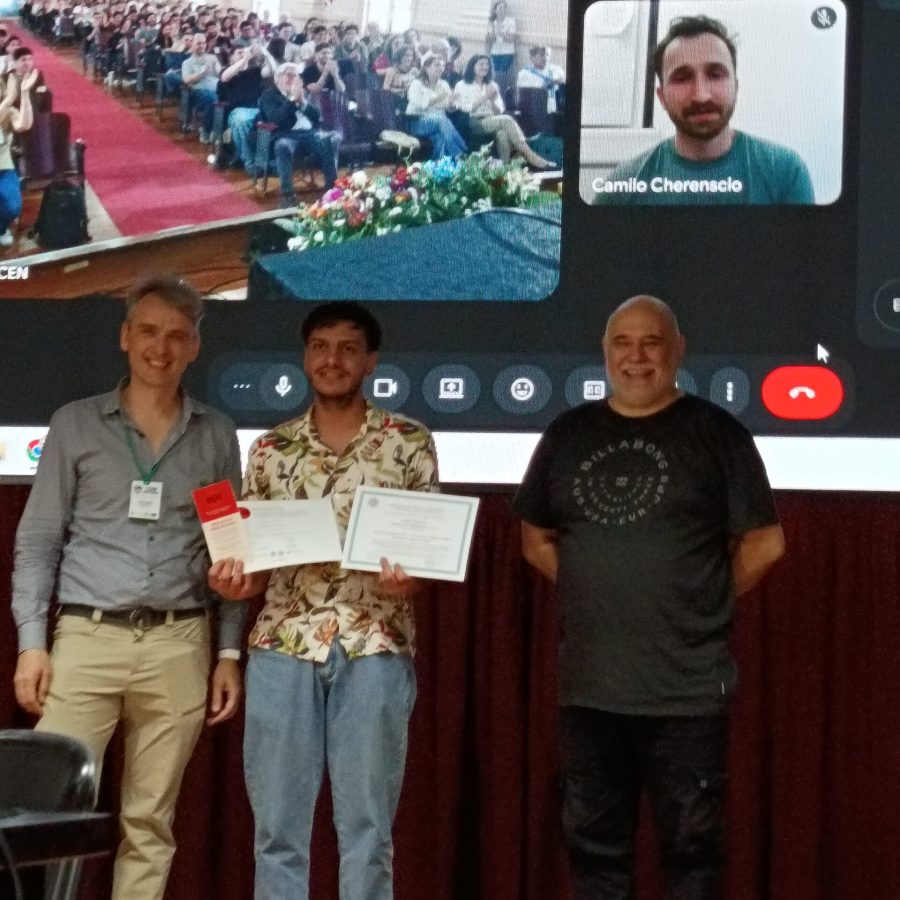
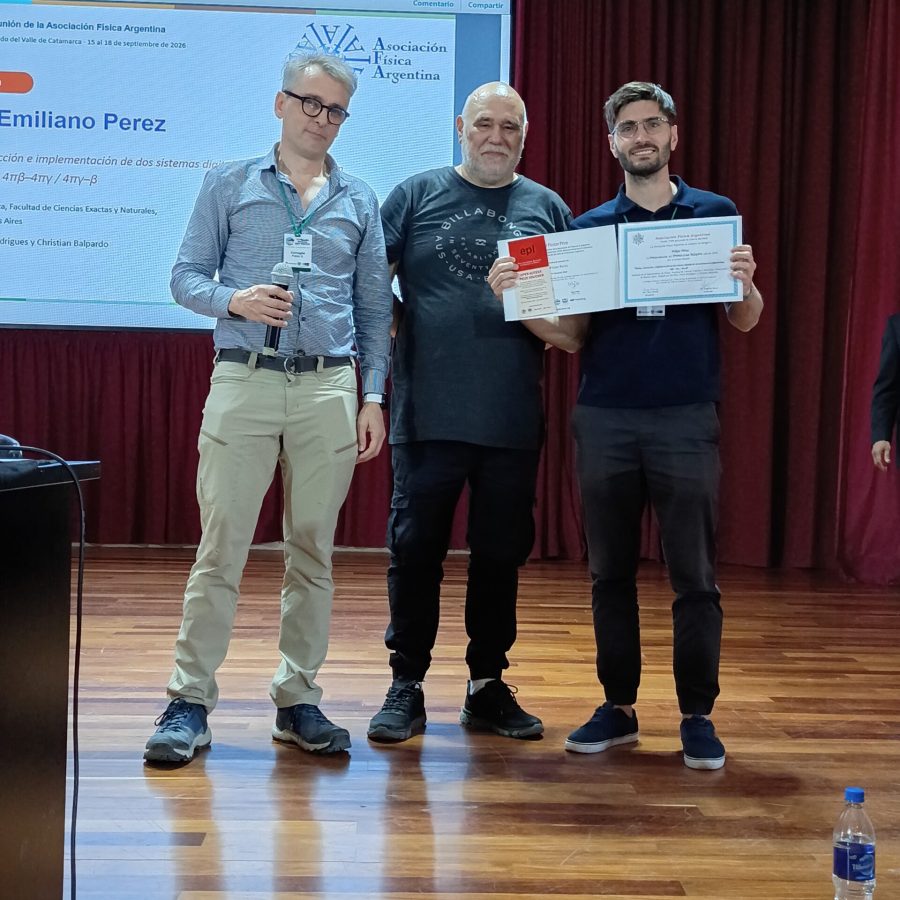
EPL awarded three poster prizes to recognize outstanding contributions by early-career researchers.
📌 Lucila Peralta Gavensky (Université Libre de Bruxelles, Belgium)
📝 Poster Title: “The Středa Formula for Floquet Systems”
📌 Julia Besproswanny (University of Wuppertal, Germany)
📝 Poster Title: “Topological Fermi Arcs and Surface Superconductivity in t-PtBi₂”
📌 Gonzalo Alfredo Mogensen (Instituto Balseiro, Argentina)
📝 Poster Title: “Near 2D limit in FeSe by single crystal exfoliation”
We are delighted to announce the appointment of Professor Richard Blythe as EPL’s Editor-in-Chief, starting on 1 May 2024. Professor Blythe holds a personal chair in complex systems at the University of Edinburgh, UK. He studied Physics at the University of Bristol, UK, participating in an exchange year at the Technische Hochschule Darmstadt, Germany, before pursuing a PhD in nonequilibrium statistical mechanics at Edinburgh. The EPL Association warmly thanks Professor Alessandra Lanotte who is acting as Editor in Chief from 1 January until 30 April.
40 articles on topics such as condensed matter physics, network physics, complex systems, black hole physics, many-body quantum systems, quantum information and amorphous topological matter.
https://iopscience.iop.org/journal/0295-5075/page/highlights-of-2023
The Highlights of 2020 collection showcases just some of the excellent work published in EPL last year – on the basis of citations, board member recommendations, and downloads.
All of the articles featured in the collection are free to read until 31 December 2021.
The Highlights of 2019 collection
showcases just some of the excellent work published in EPL last year –
on the basis of citations, board member recommendations, and downloads.
All of the articles featured in the collection are free to read until 31 December 2020.
European Physical Society
6, rue des Frères Lumière
68200 Mulhouse
France
tel: +33 389 32 94 40
Copyright© 2025 – EPL Association
Non-profit, community owned
Impact factor: 1.8
Submission to publication: 73 days
European Physical Society
6, rue des Frères Lumière
68200 Mulhouse
France
Copyright© 2025 – EPL Association